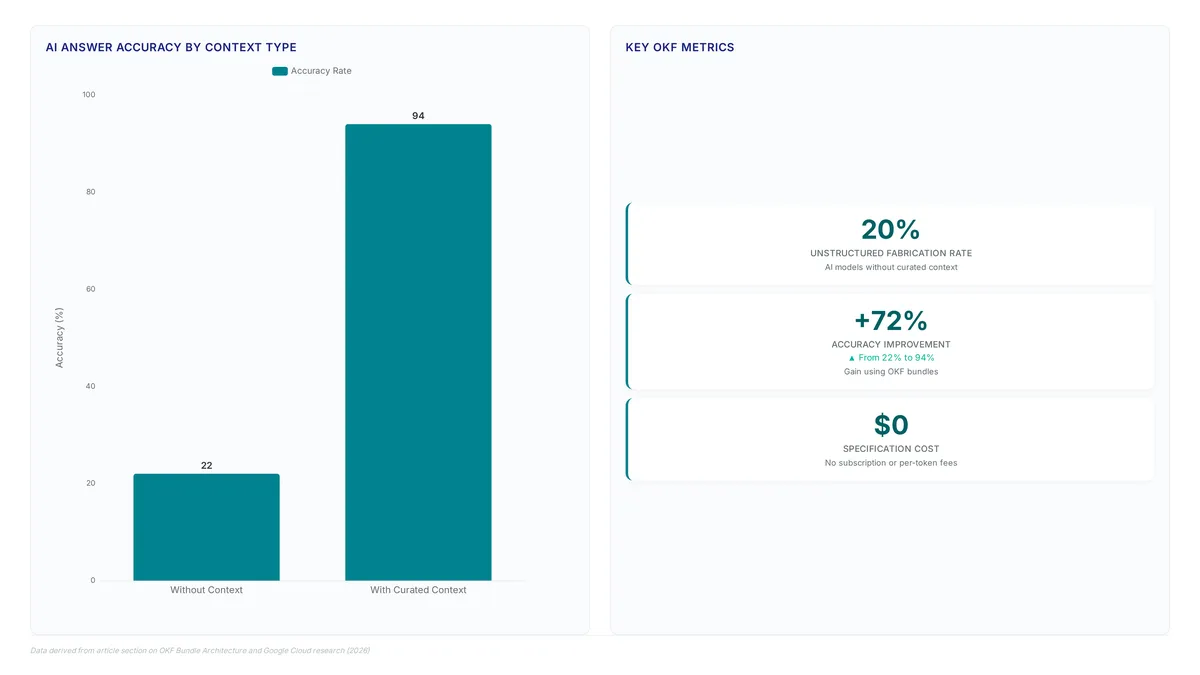
Open Knowledge Format: Stop Agent Context Blindness
The June 12, 2026 OKF draft uses markdown to fix agent context blindness. Learn how file paths replace complex registries for AI.

How content automation actually works in production — pipeline architecture, tooling choices, quality gates and measurement.
The June 12, 2026 OKF draft uses markdown to fix agent context blindness. Learn how file paths replace complex registries for AI.
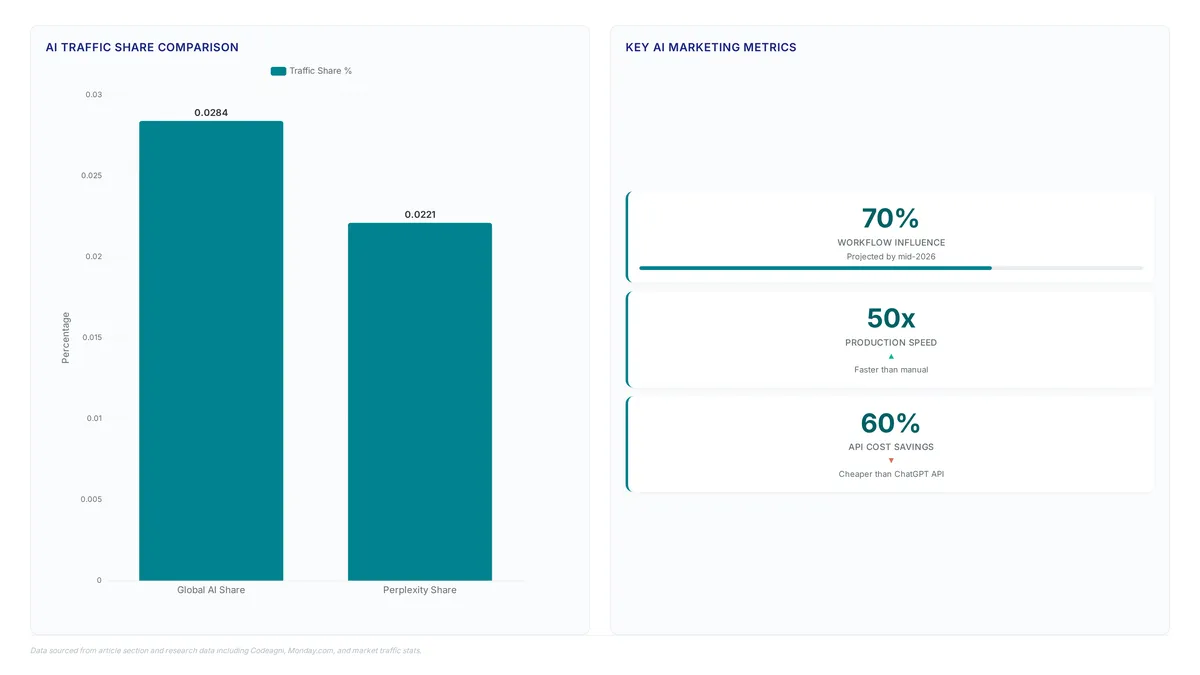
By mid-2026, AI will influence 70% of marketing workflows. Enterium provides the framework to manage these tools without sacrificing strategy.
 Arjun Patel
14 min read
Arjun Patel
14 min read
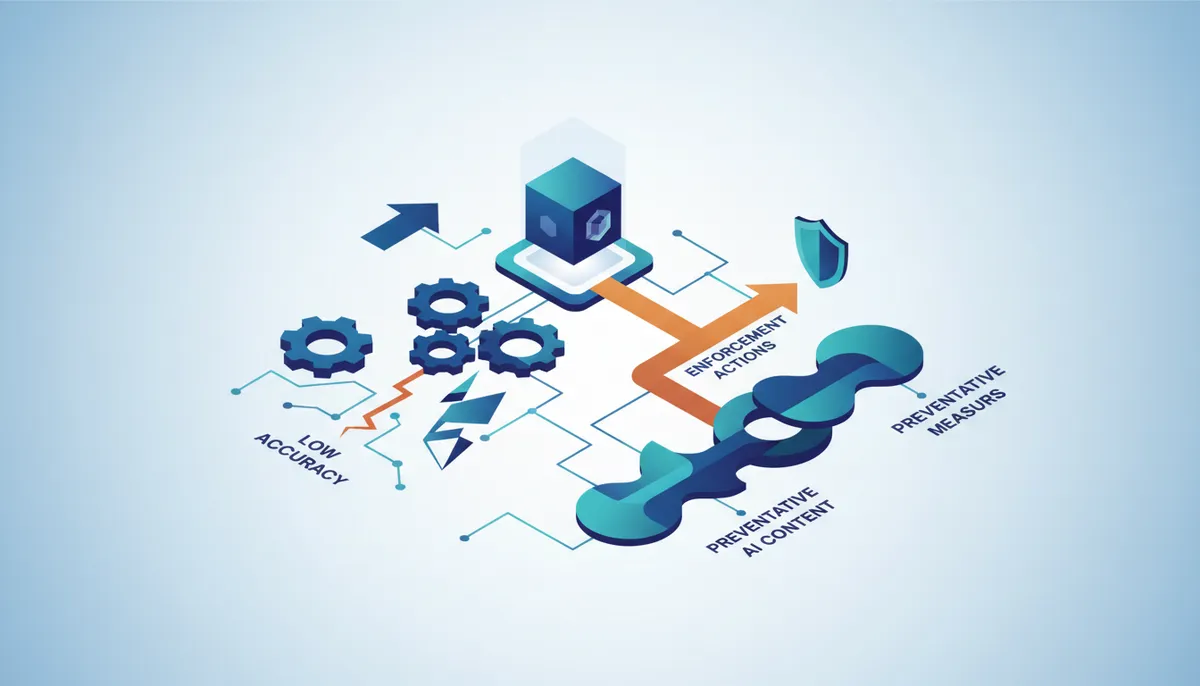
Google's May 2026 update targets AI Overview manipulation. Learn how semantic accuracy metrics replace volume to avoid a 40% content reduction.
 Hannah Brooks
17 min read
Hannah Brooks
17 min read
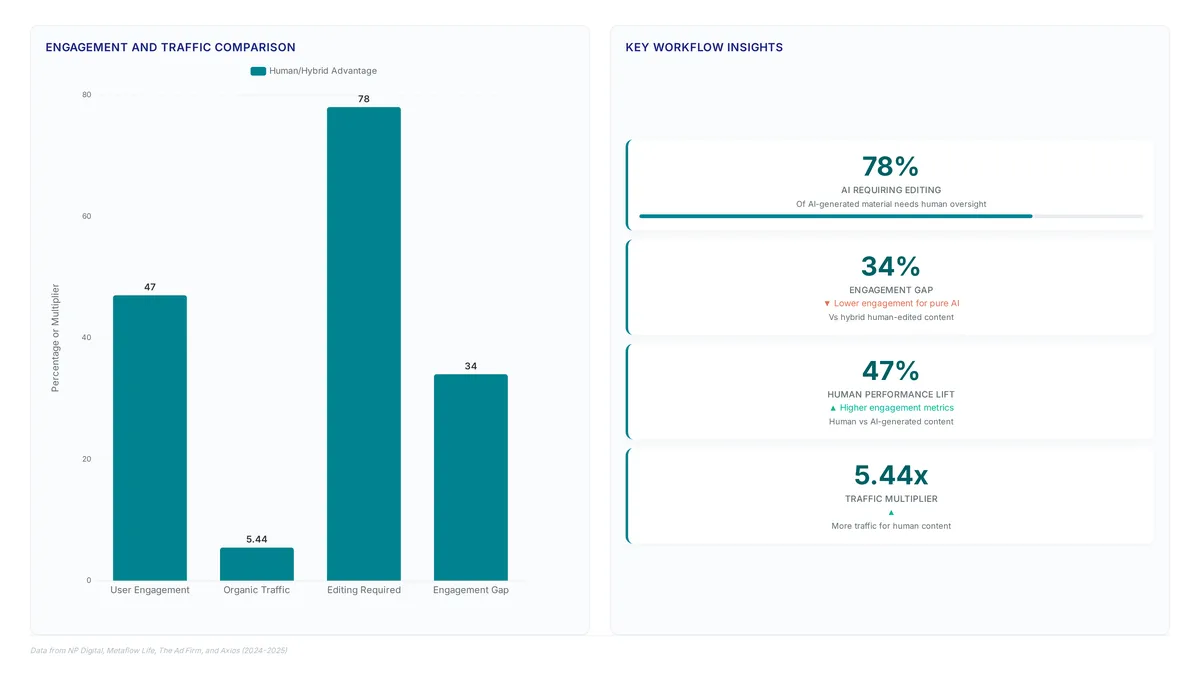
With 74% of new pages using AI-generated copy, rankings drop without original insight. Enterium adds human validation gates to restore search visibility.
Arjun Patel
16 min read
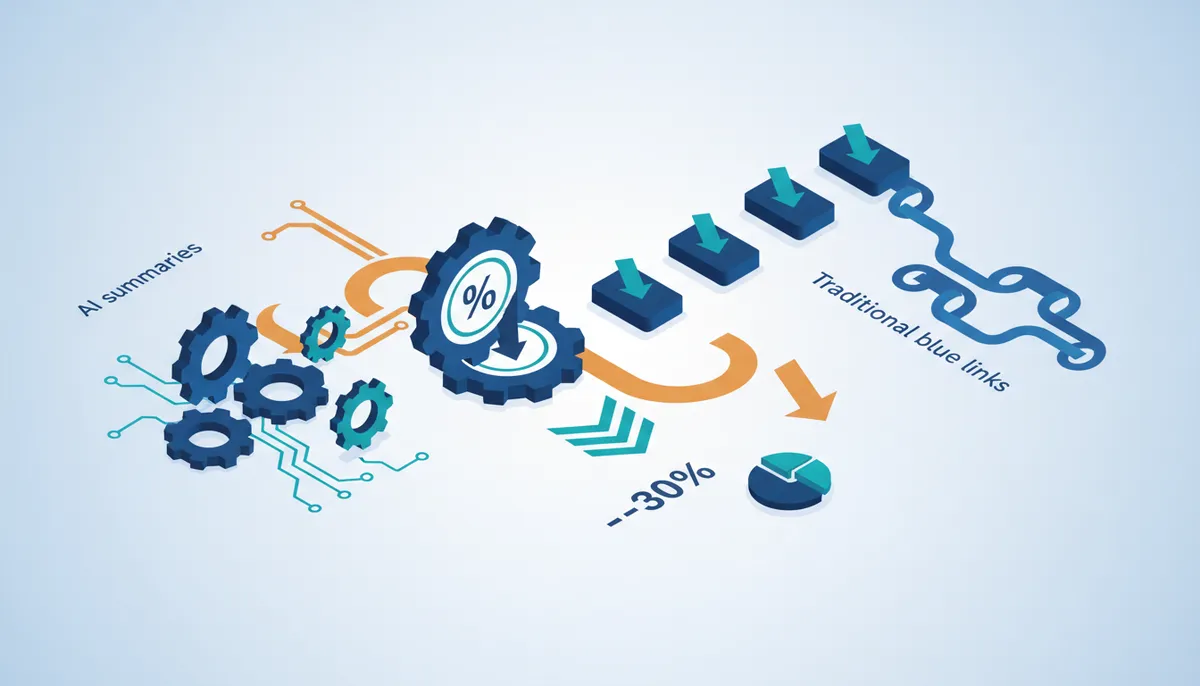
With AI Overviews on 18% of searches, traditional metrics mislead. Learn how Enterium restructures pipelines for direct answer citation.
Arjun Patel
13 min read

AI search visitors convert 23 times higher than organic traffic. Learn to track mention frequency and citation data to measure real brand presence.
 Sofia Marchetti
18 min read
Sofia Marchetti
18 min read
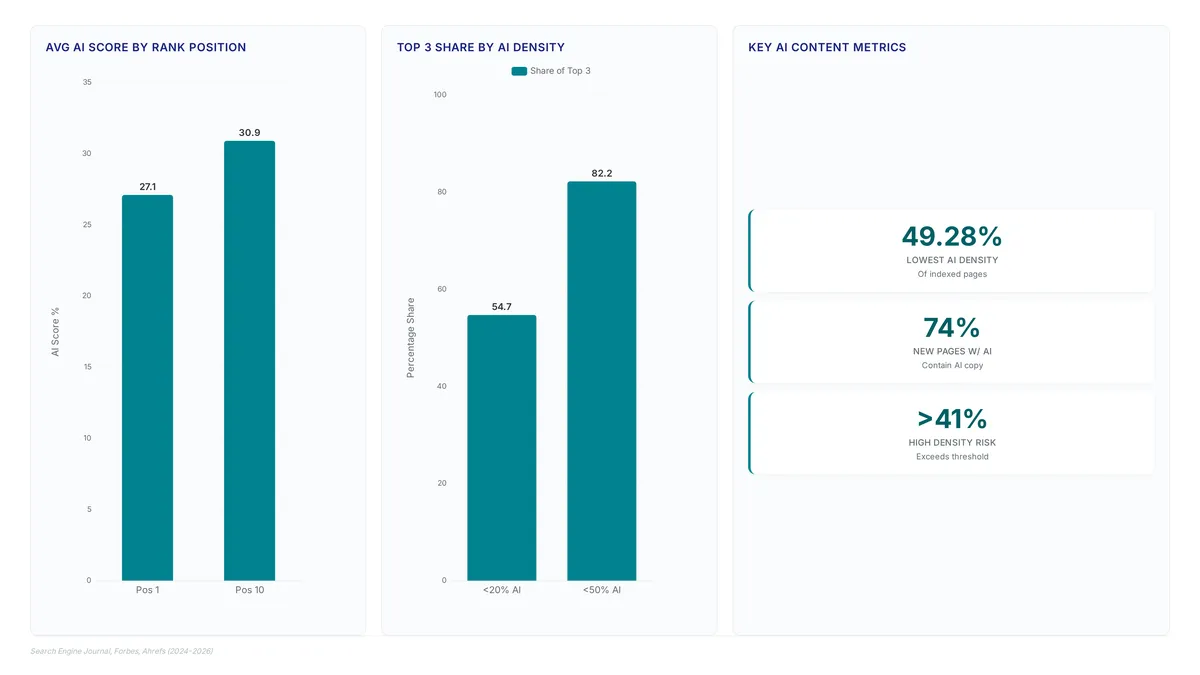
Data shows 54.7% of top-three results contain under 20% AI text. Enterium analyzes why human oversight remains critical for visibility.
Hannah Brooks
12 min read
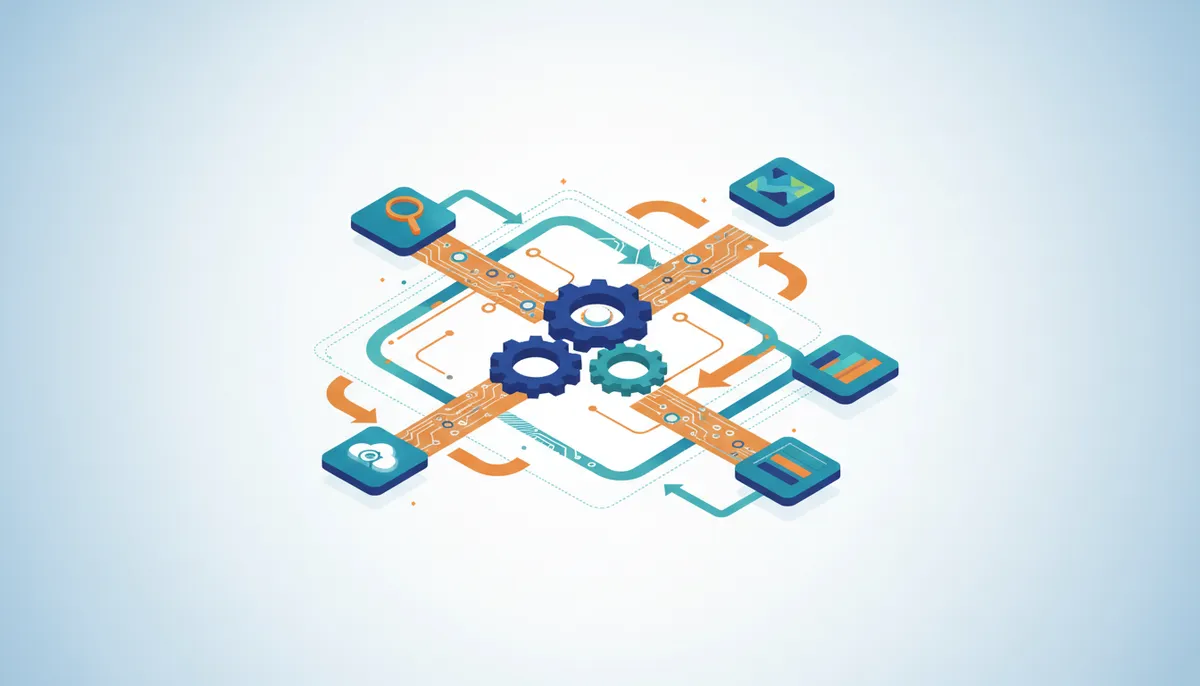
A 50% increase in demos from AI Search proves that tracking prompt volume directly drives revenue. This isn't theoretical.
Arjun Patel
11 min read
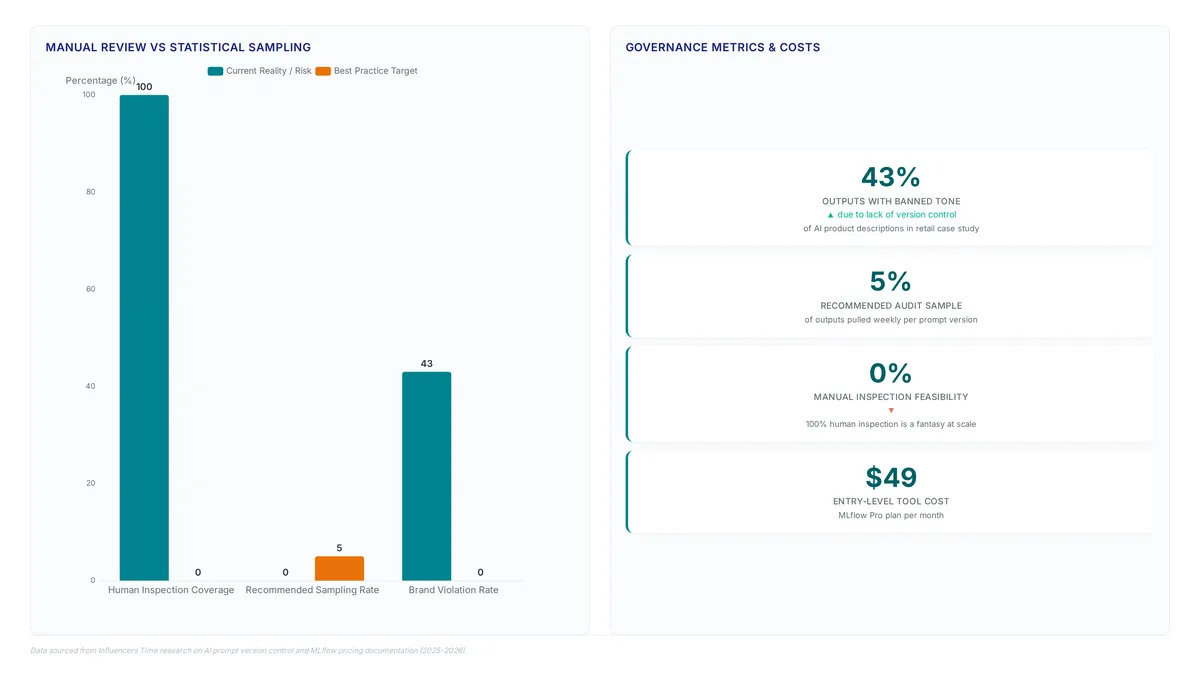
When 43% of AI descriptions violated banned tones, the fix was a prompt version control system. Learn the four components to stop brand voice erosion.
Arjun Patel
16 min read
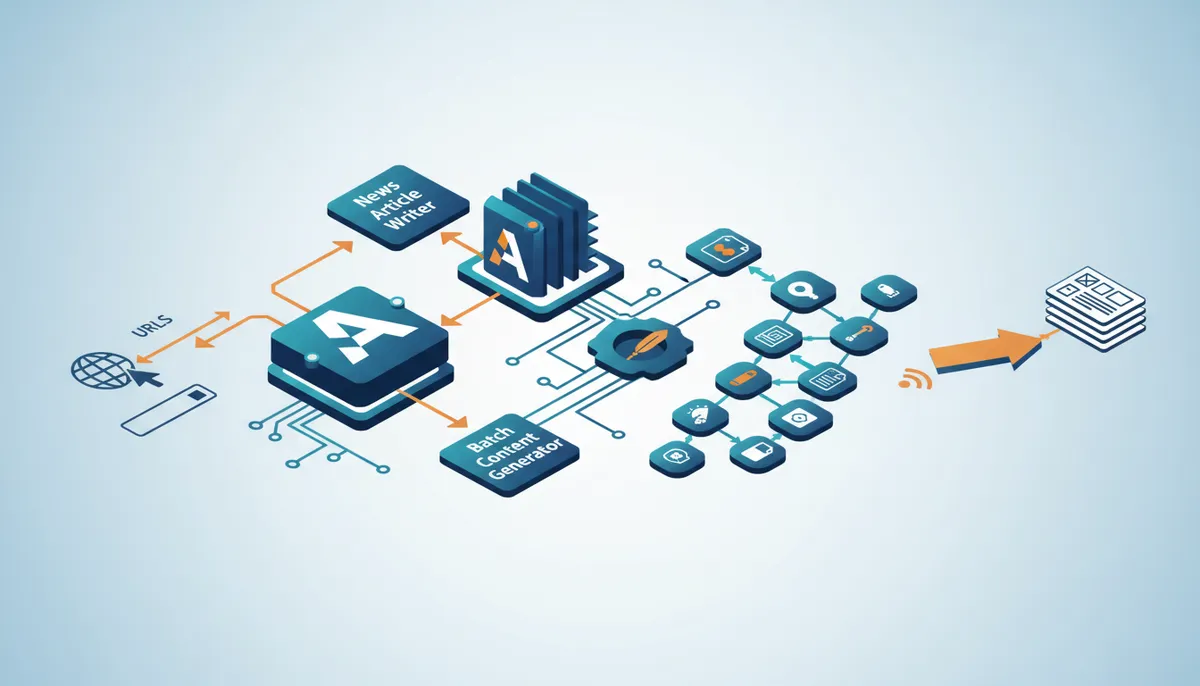
Analyze how specialized architectures turn raw URLs into newsletters and social threads, bypassing the latency of manual curation for real-time aggregation.
Sofia Marchetti
14 min read
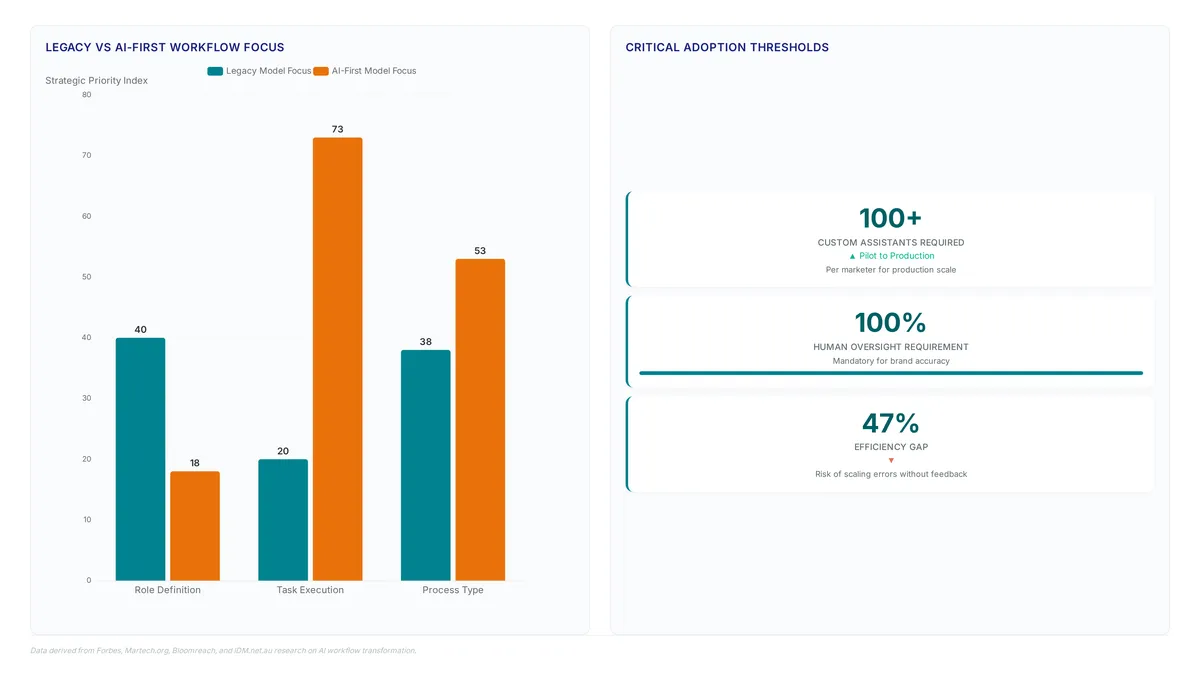
Reducing campaign go-to-market times from 20 days to just three proves that AI-first workflows deliver immediate operational velocity.
Hannah Brooks
14 min read
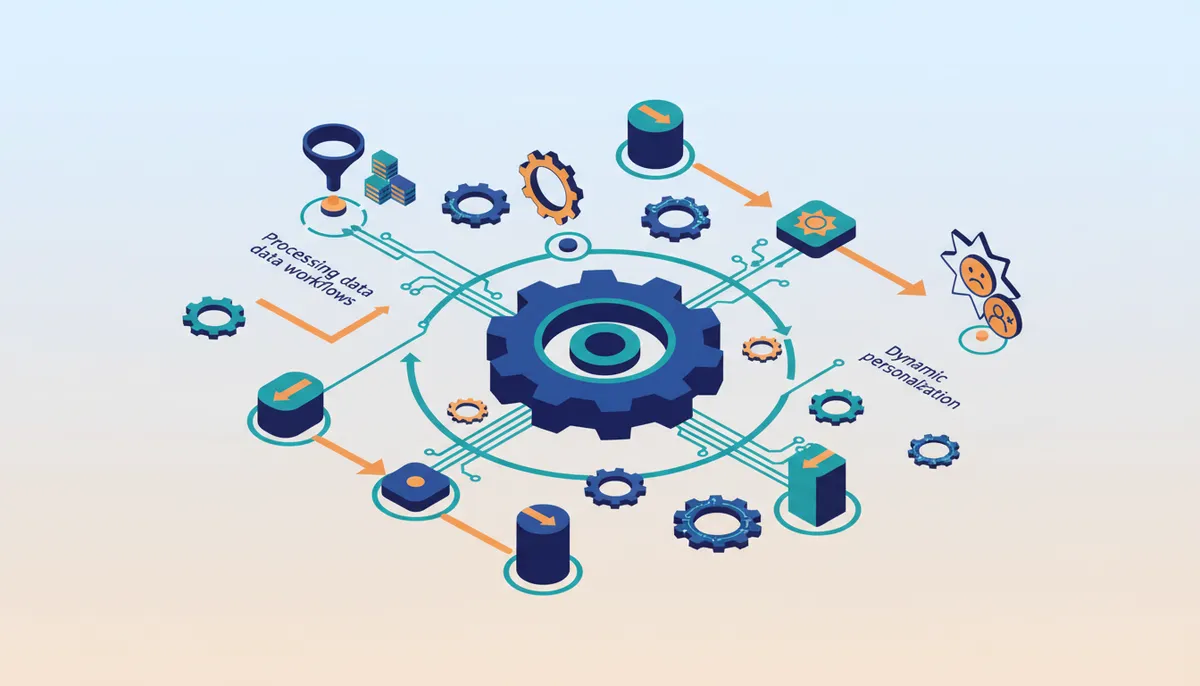
With LLM provider costs swinging by a factor of 600, teams must audit data and balance automation with human oversight to survive.
Arjun Patel
13 min read