Dual-channel tracking fixes AI visibility gaps
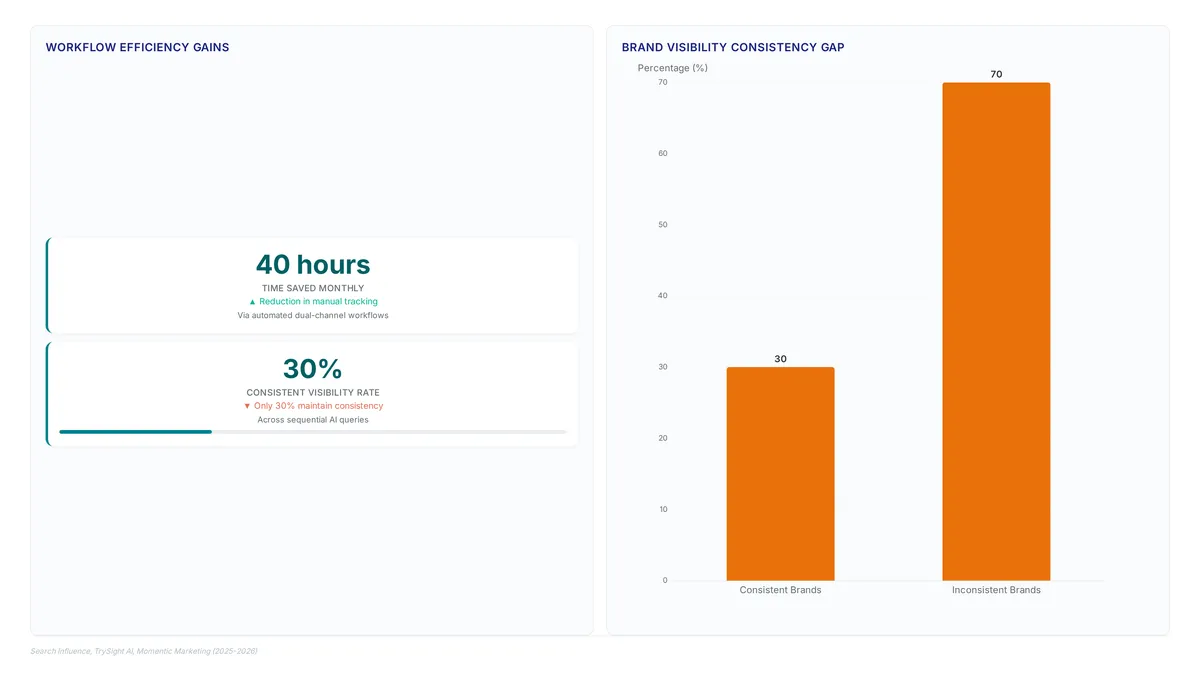
Track dual-channel data to close the gap between SEO ranks and AI synthesis. Learn why weekly sentiment updates matter for model weights.
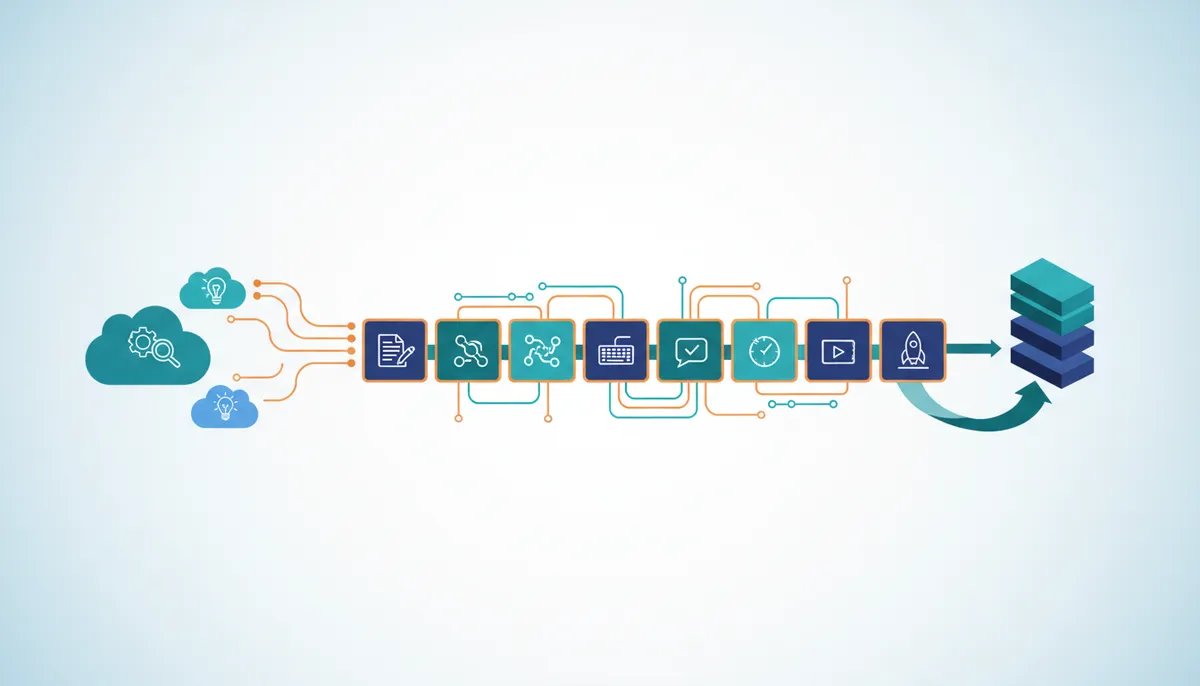
How content automation actually works in production — pipeline architecture, tooling choices, quality gates and measurement.
Track dual-channel data to close the gap between SEO ranks and AI synthesis. Learn why weekly sentiment updates matter for model weights.
Over 204,008 marketers use ContentBot Flows to replace manual prompts with trigger-action pipelines that maintain semantic depth and source attribution.
Stop scattered folders and email chains. Learn how structured workflows enforce governance across hundreds of properties in 2026.
B2B tech marketers are prioritizing content workflows to stop inconsistent, noncompliant noise from drowning their teams.
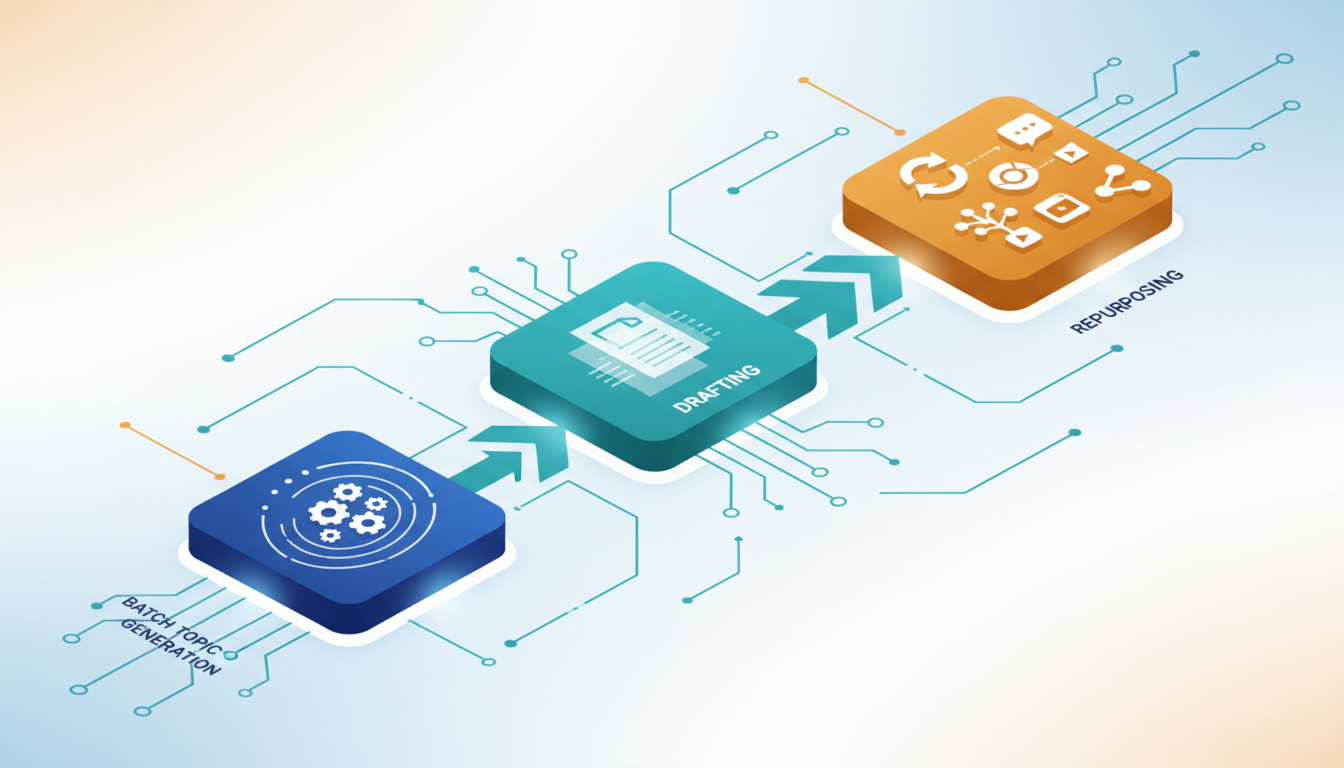
Slash publishing delays with a 3-hour workflow. This guide details AI agents that optimize for search crawlers and generative citation models simultaneously.
A 9.5/10 Consensus Score from over 275 user reviews proves that market satisfaction now hinges on reliable AI visibility performance.
Cut monthly planning from 16 hours to 4 by defining content pillars that stop large language models from drifting into generic output.
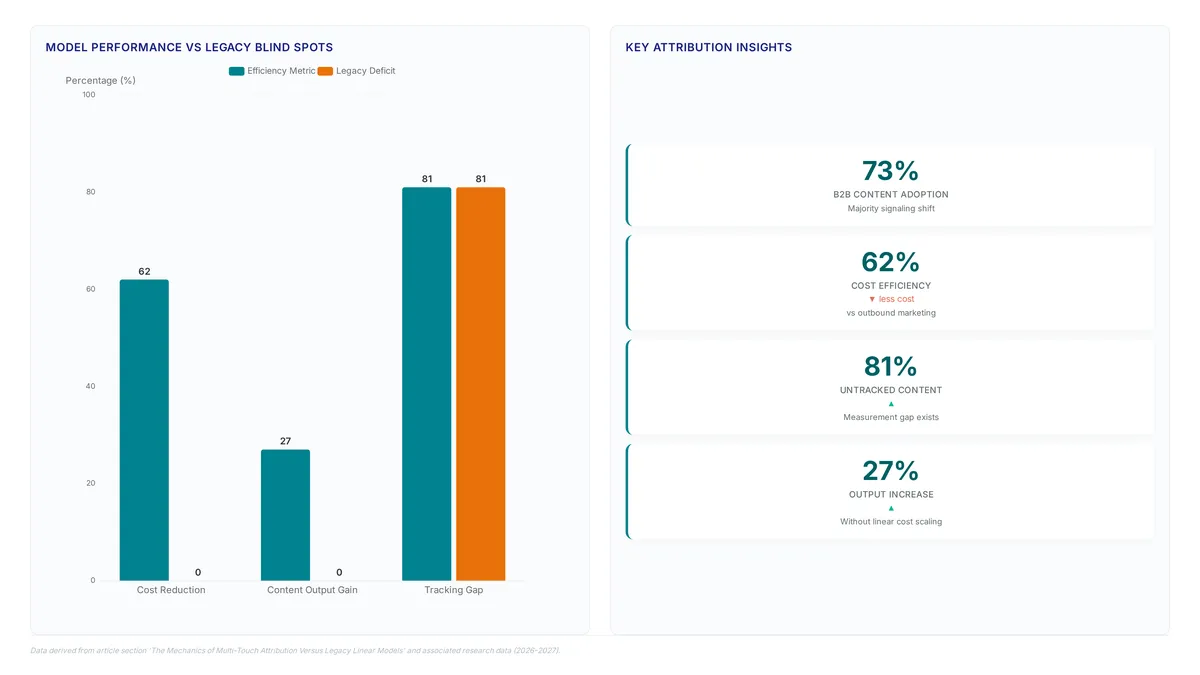
Only 12% of B2B marketers exceed goals because legacy tracking cannot see dark funnel behavior. Learn to measure real revenue influence.
Stop scattered outputs by defining clear governance roles and workflow tasks. Learn how Enterium enforces strategic frameworks for accurate
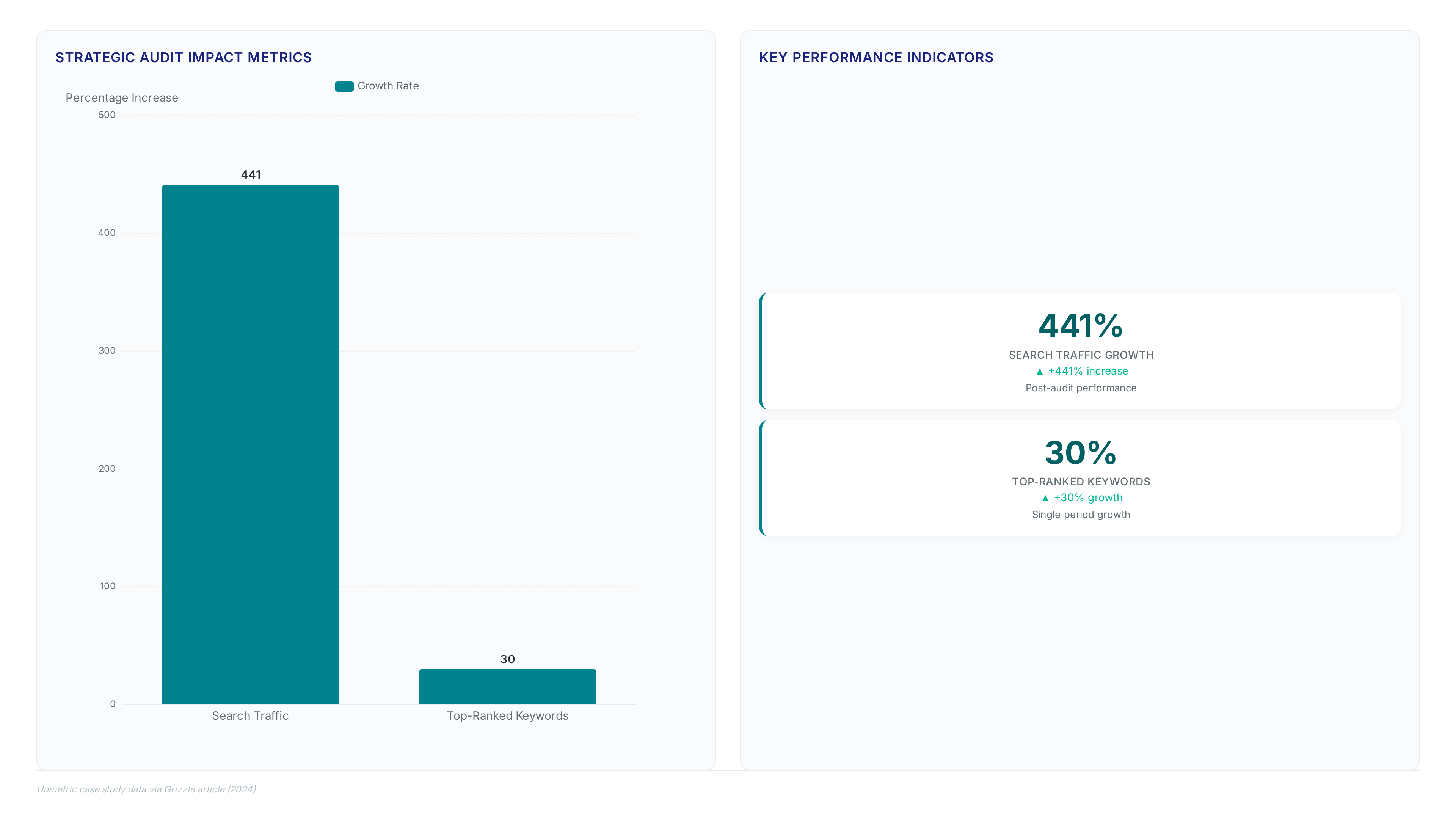
See how a unified content engine drove a 441% traffic increase by replacing fragmented tools with codified editorial oversight and research.
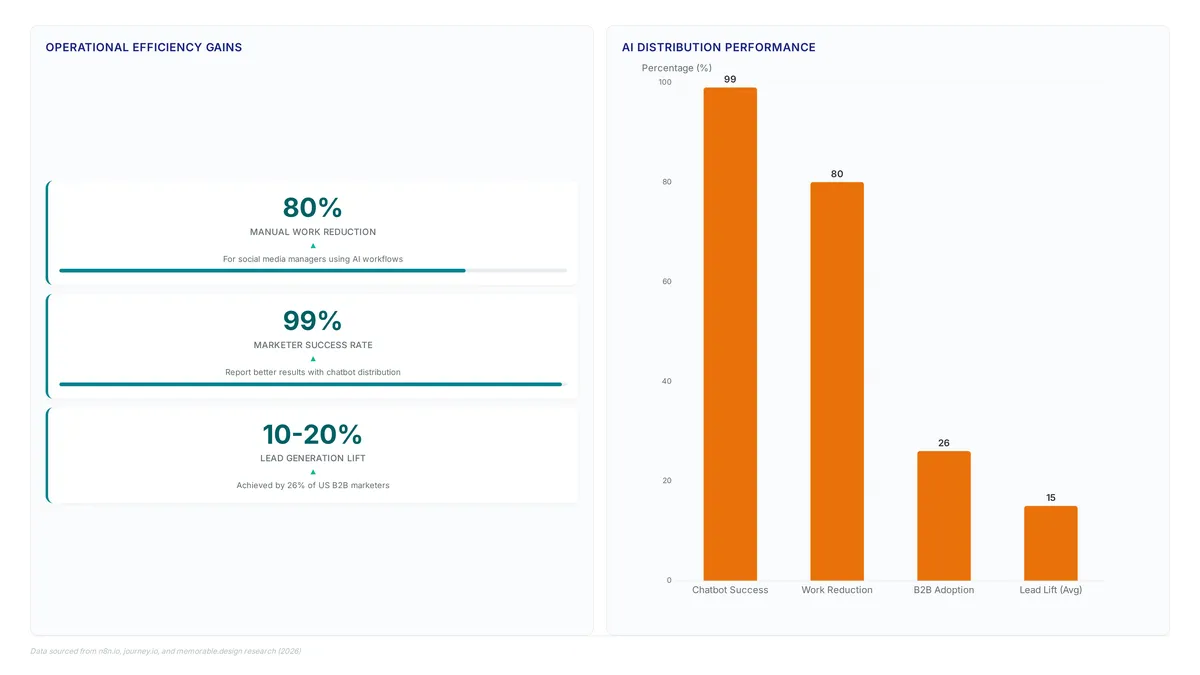
While 99% of marketers report chatbot gains, only rigorous prompt-level tracking secures AI search visibility against synthesized answers.
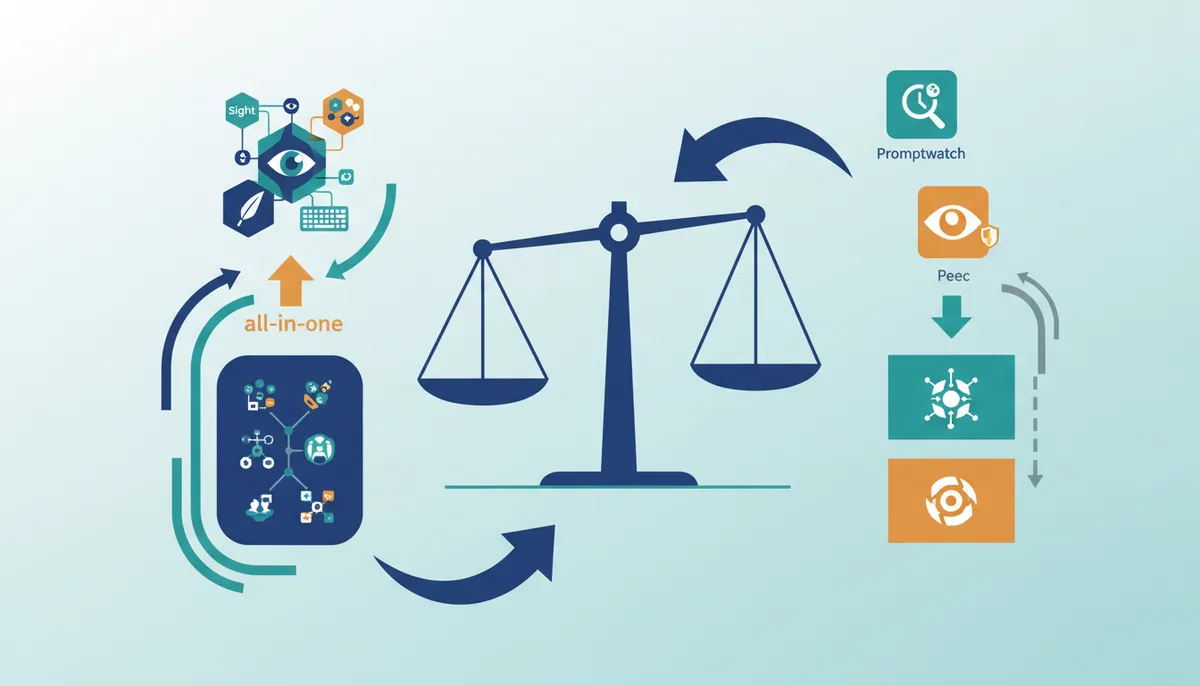
Fragmented stacks degrade output quality. A unified dashboard merges AI visibility tracking and IndexNow automation to close the latency gap.