Automated content workflow: six steps to scale
Over 204,008 marketers use automated systems. Learn the six-step architecture to replace manual drafting with precise AI brand tracking.

How content automation actually works in production — pipeline architecture, tooling choices, quality gates and measurement.
Over 204,008 marketers use automated systems. Learn the six-step architecture to replace manual drafting with precise AI brand tracking.
By 2026, answer engine optimization becomes the baseline for visibility. Brands must prioritize machine readability over human-centric fluff to survive.
Build a reliable AI content pipeline with an 8-stage architecture. Replace chaotic generation with structured workflows for brand-safe, compliant assets.
Manual posts take 12 hours; disconnected tools save little. Learn how chained AI agents automate research to publishing without handoffs.
Static scripts fail when context shifts. Learn how agentic automation connects 3,000+ apps to adapt social operations in real time without custom coding.
2026 data shows agencies scale via systems, not bigger teams. See how centralized workflow software removes tool overload for content operations.
Stop confident lies with a 7-step QC workflow. This guide details factual verification and scoring to prevent brand drift in automated content.
Shift from keyword density to claim-evidence patterns. Learn how semantic depth and entity authority secure citations in 2026 AI discovery workflows.
Replace disjointed stacks with a cohesive system that enforces style vectors and mandatory fact-check tasks before publication.
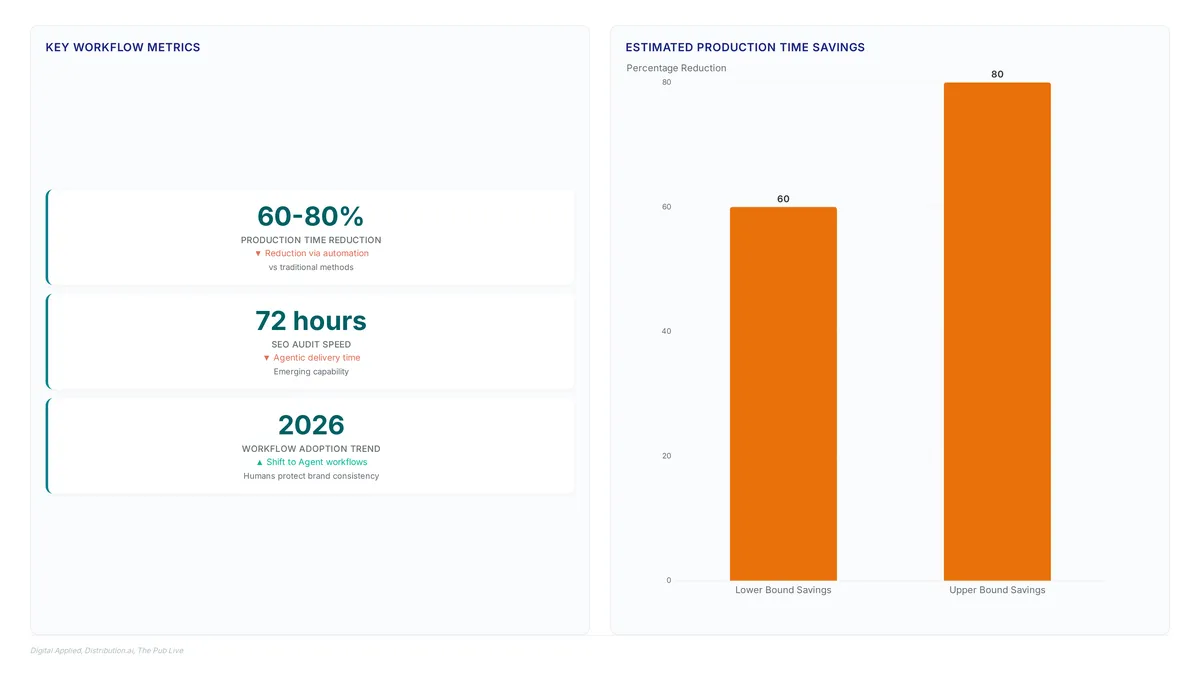
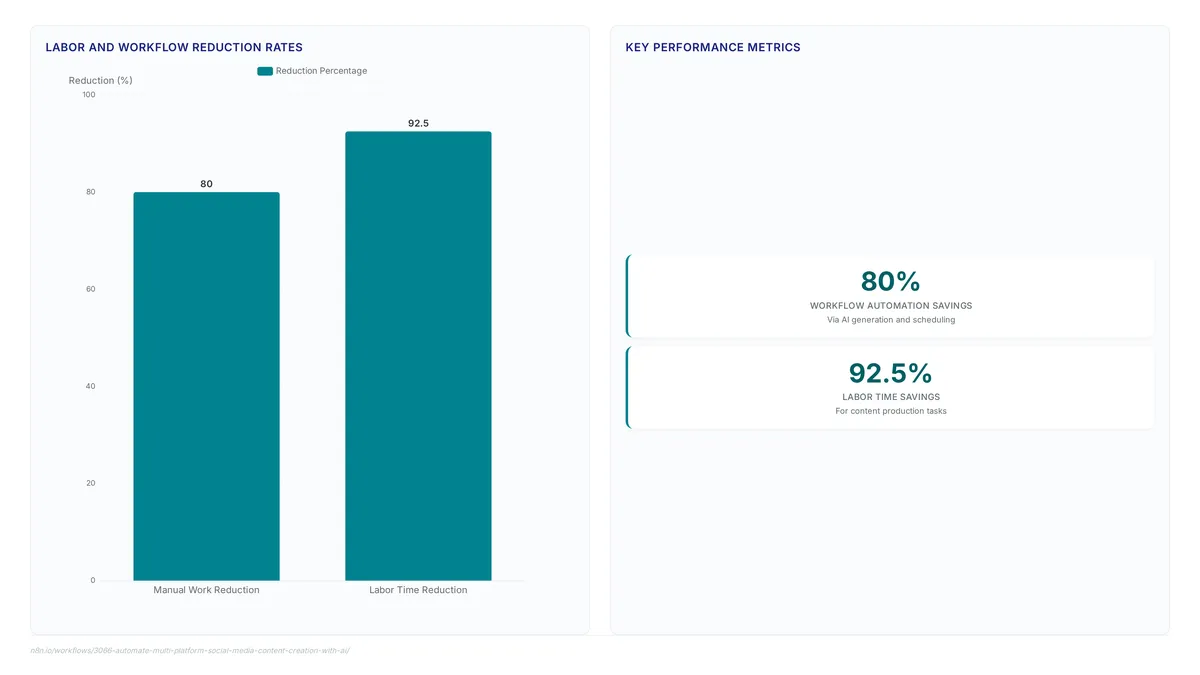
Automation can reduce manual content work by up to 80% through integrated AI generation and scheduling.
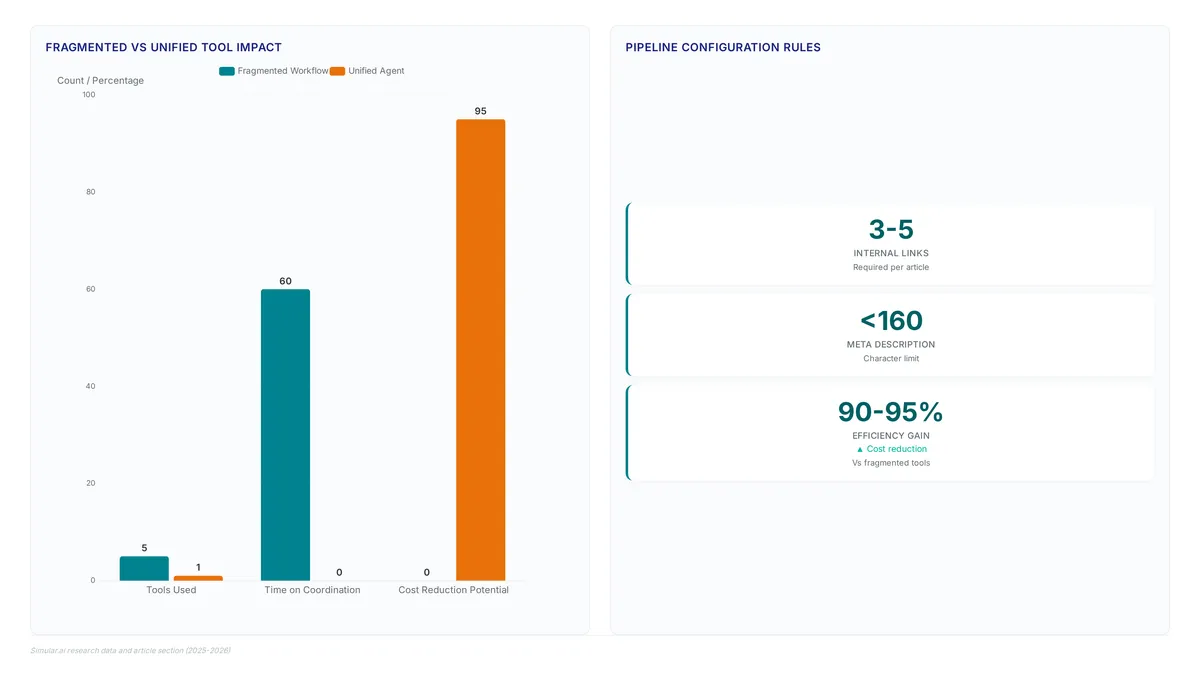
Manual production consumes 4 to 8 hours per post. See how full workflow orchestration replaces fragmented tools to eliminate context switching.
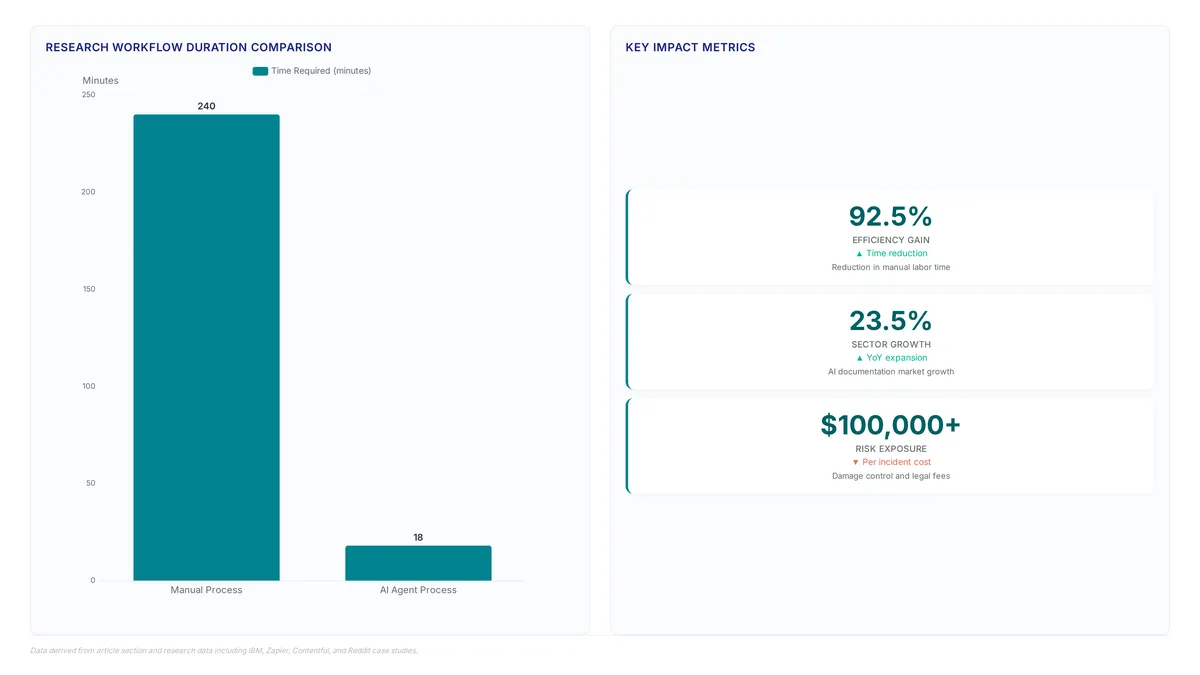
Manual translation fails 40% of global buyers. See how autonomous agents automate research in 18 minutes while enforcing strict terminology.