Content automation pipelines: fix manual publishing gaps
Over 204,008 marketers now use AI flows. Learn to build content pipelines that ensure workflow visibility and prevent brand dilution at scale.

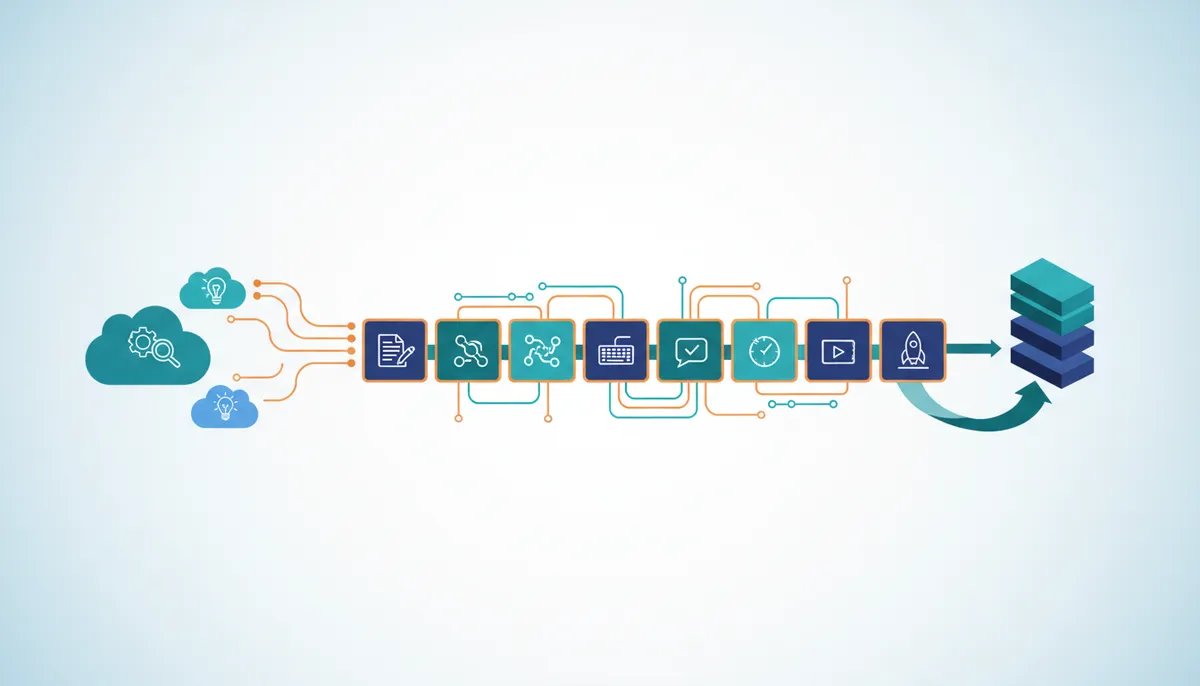
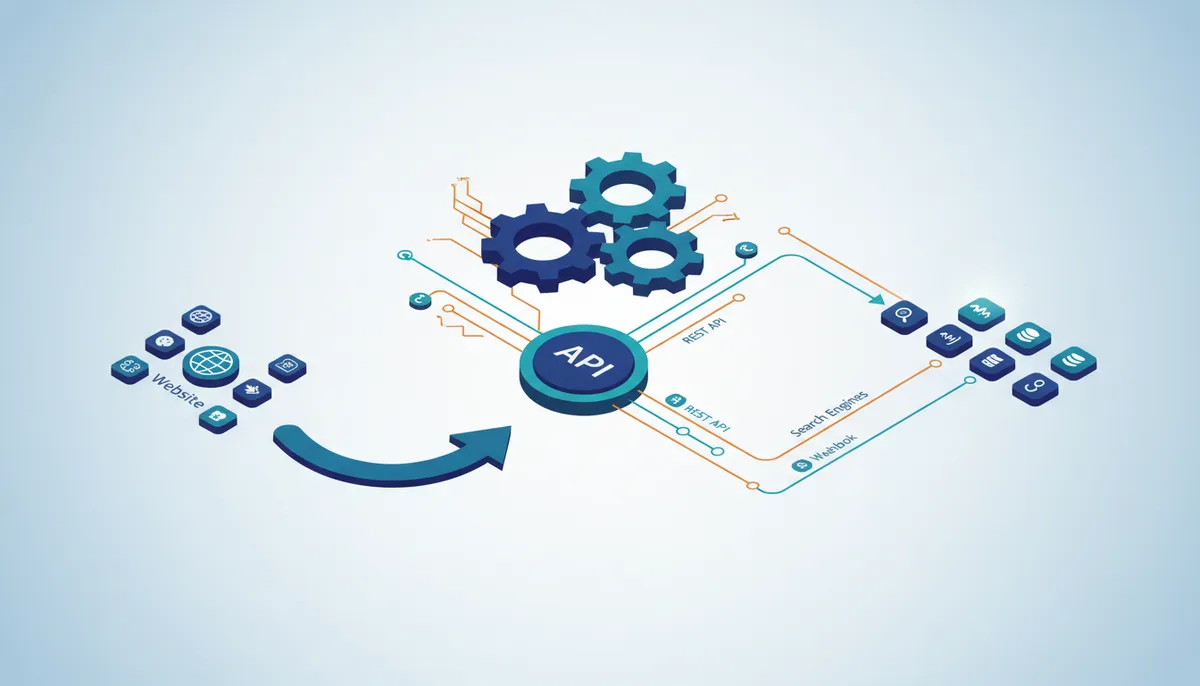
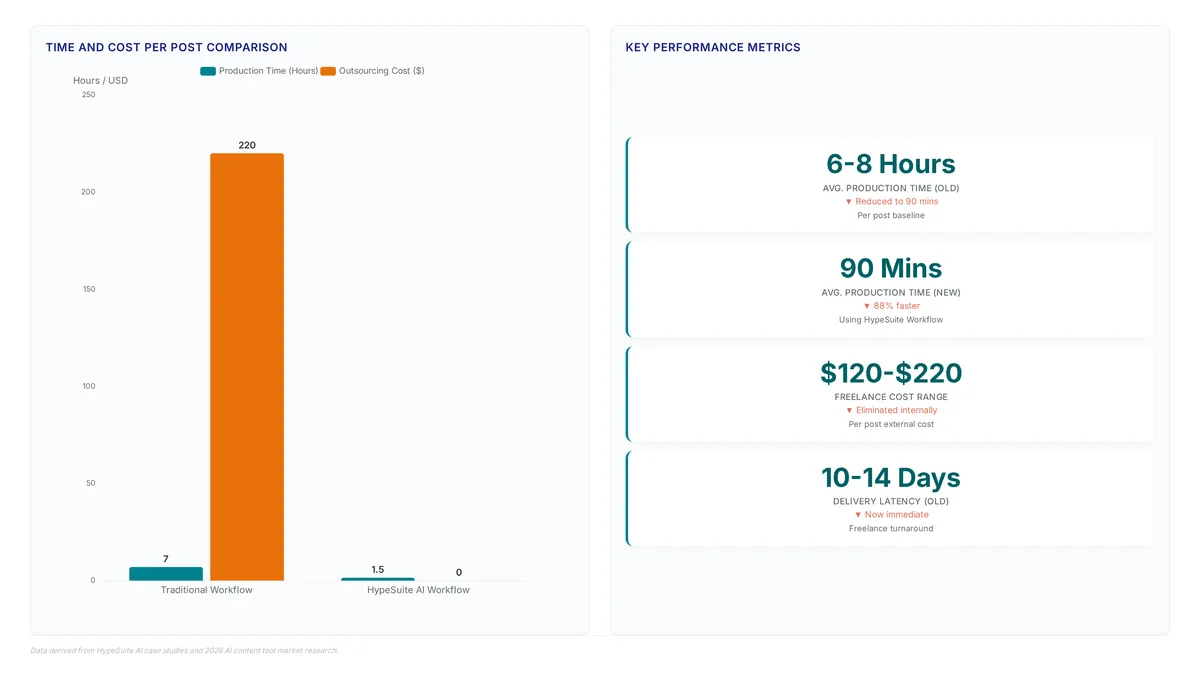
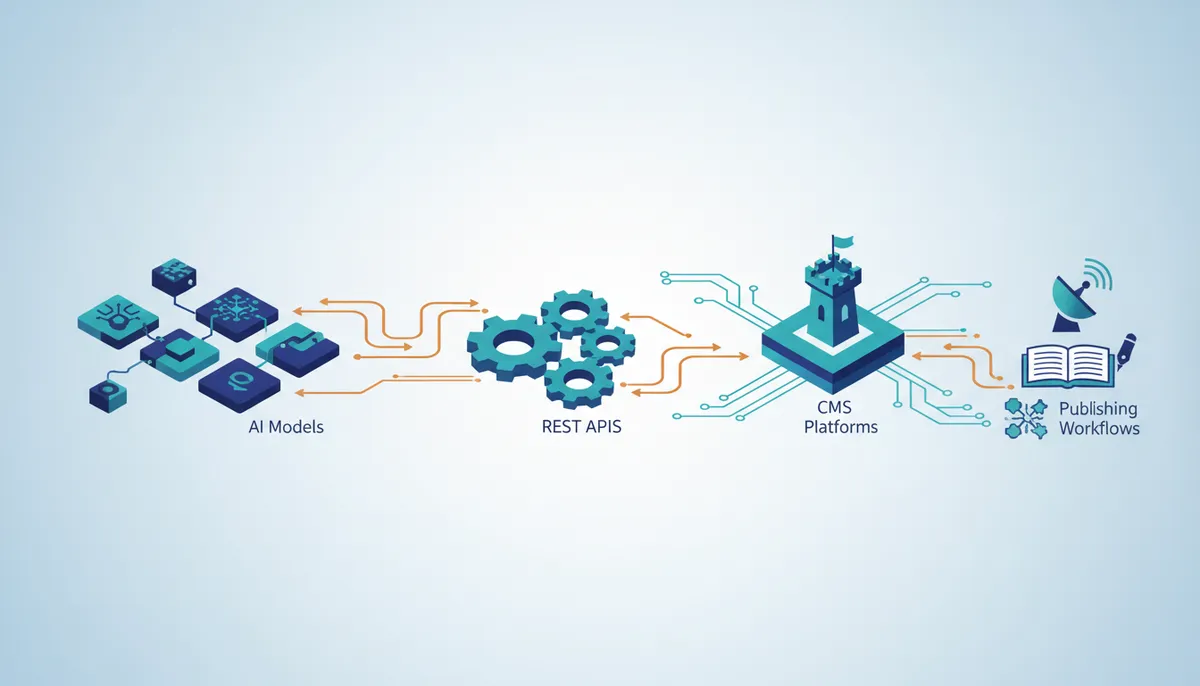
Cut publishing time from hours to minutes by replacing manual file shuffling with API-driven pipelines that enforce schema checks.
Proper workflow automation can cut operational labor by up to 80%. Learn the headless architecture required to scale digital publishing safely.
Connect 9,000+ apps to enforce editorial rules. This guide details how automated triggers replace manual handoffs with real-time QA gates.
Slash publishing delays with a 3-hour workflow. This guide details AI agents that optimize for search crawlers and generative citation models simultaneously.
SaaS firms hitting scaling walls triple output to 24 assets monthly without adding headcount using this specific automation architecture.
SaaS teams boost productivity 10x by optimizing content pipelines. Learn the engineering behind instant indexing and automated quality gates.
Cut campaign setup time by 79% using automated publishing workflows. Learn to enforce SEO rules and reduce manual steps without losing editorial control.
Manual processes are a strategic liability in 2026. Learn how automated publishing with IndexNow ensures content freshness and search ranking.
No verified percentage or count exists in the provided source to quantify adoption rates or efficiency gains.
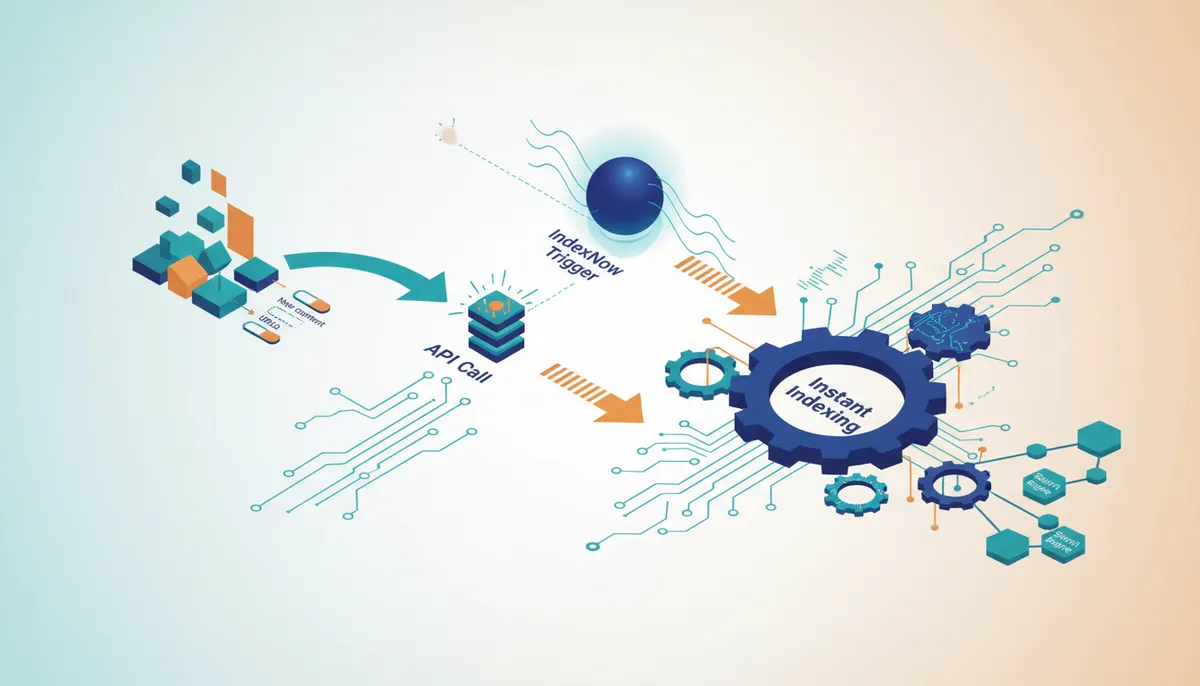
Automated publishing removes human latency. IndexNow integration shifts indexing from pull-based to immediate push signals for faster visibility.
Solo founders miss rankings due to slow workflows. See 10 tools and a 4-week cadence plan to align content with live search intent.
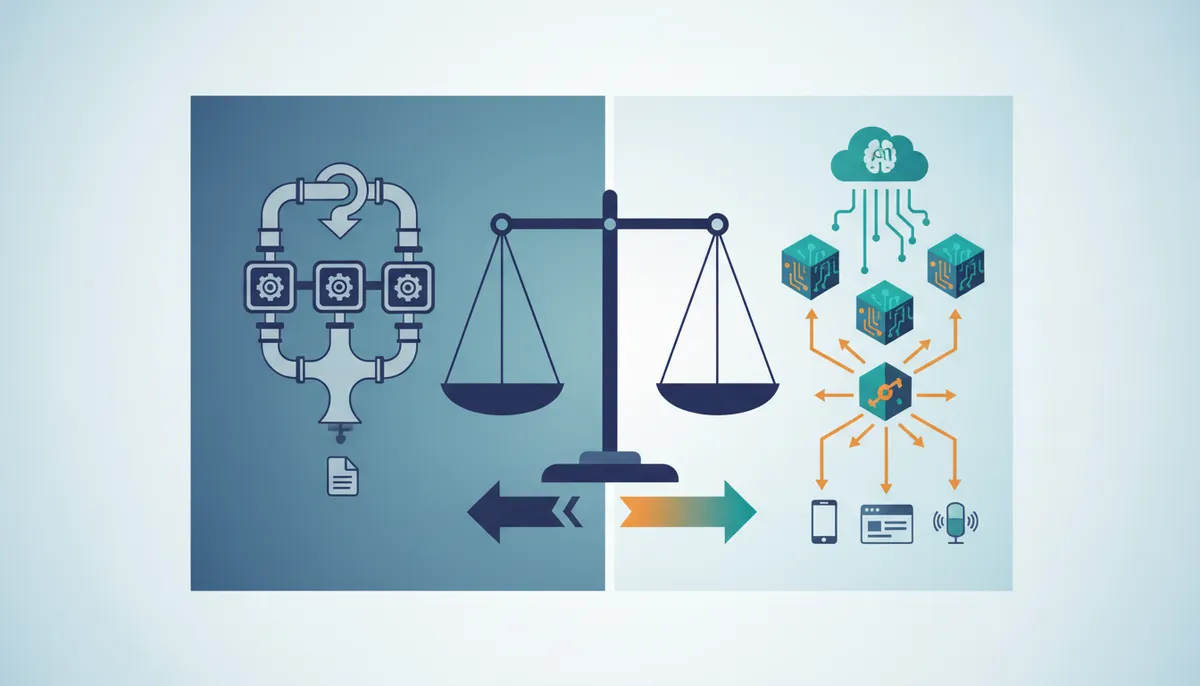
Manual workflows collapse under AI scale because they cannot deliver the machine-readable content structure required for modern indexing.
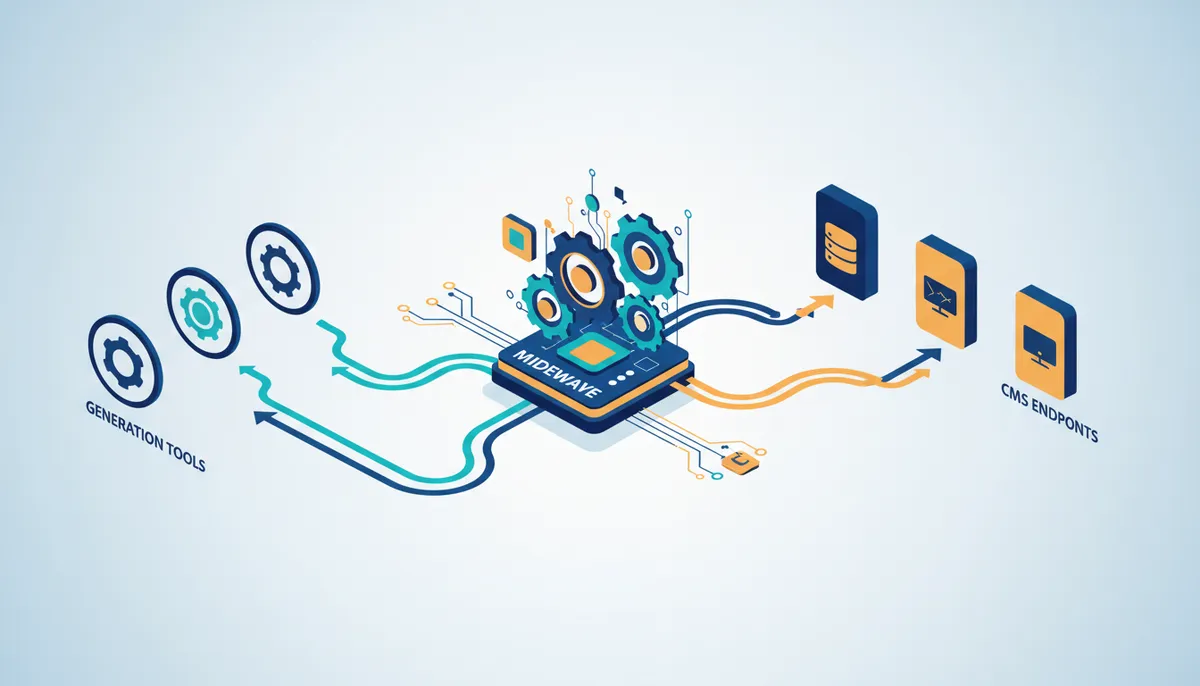
Automated publishing removes manual bottlenecks by integrating AI generation directly into editorial calendars for unified distribution.