AI content operations: building systematic pipelines
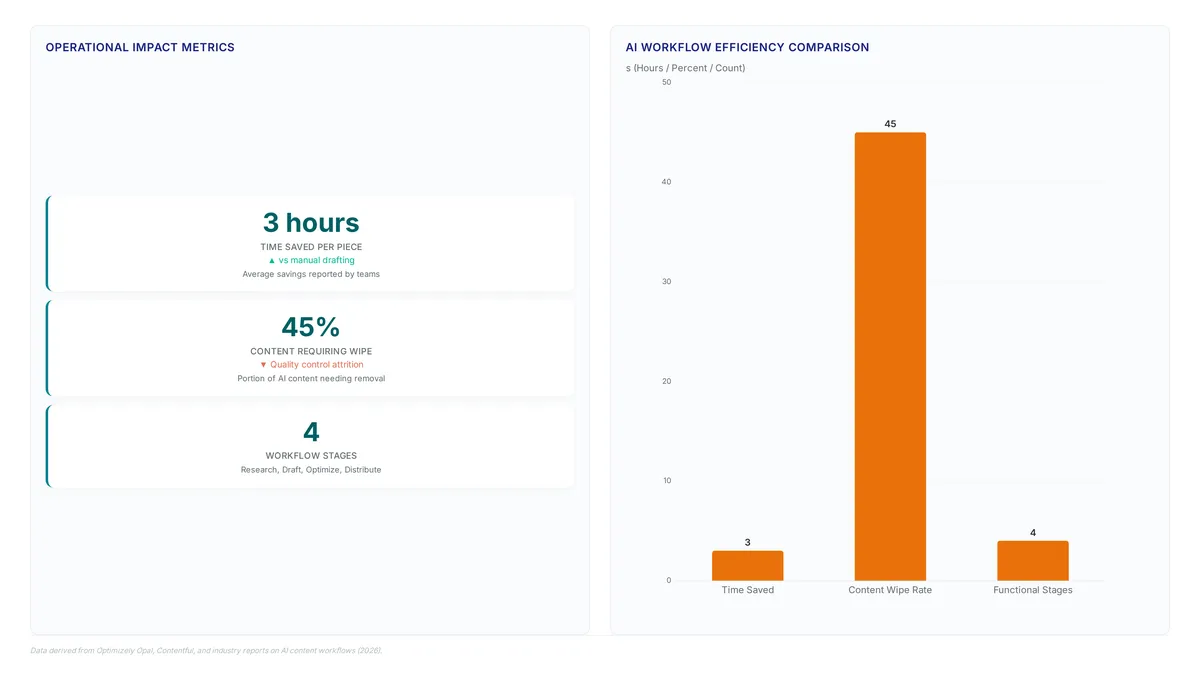
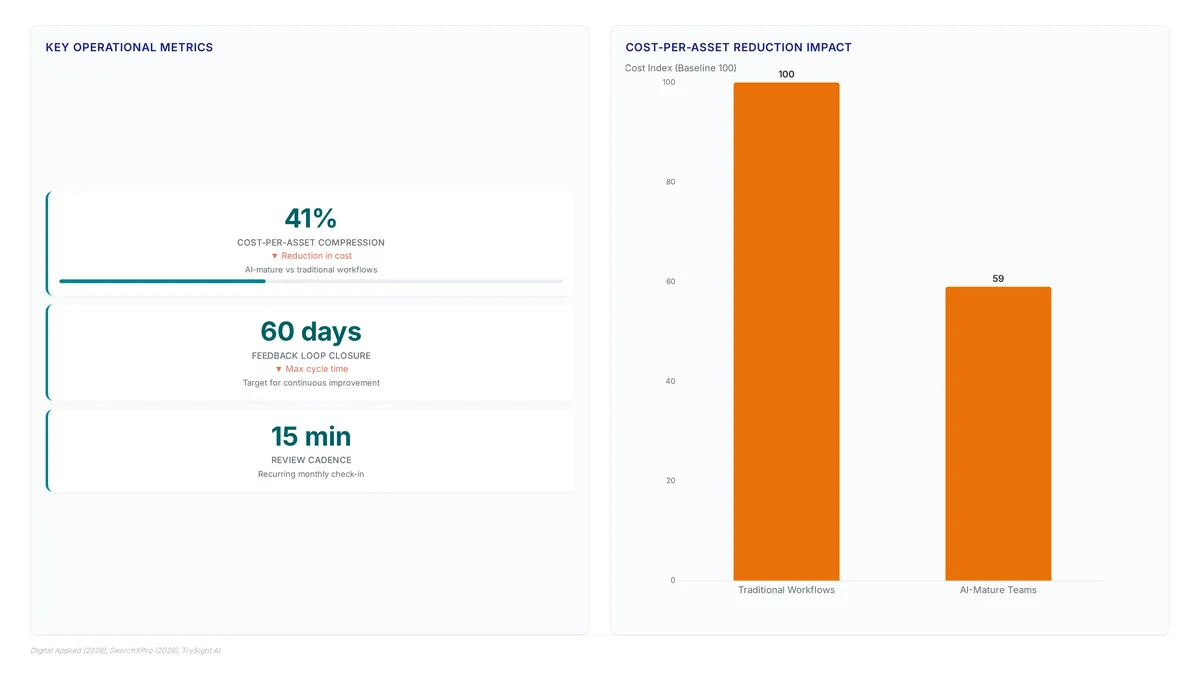
Teams save an average of 3 hours per piece by shifting to structured AI workflows. Discover the four functional areas required for scalable content production.
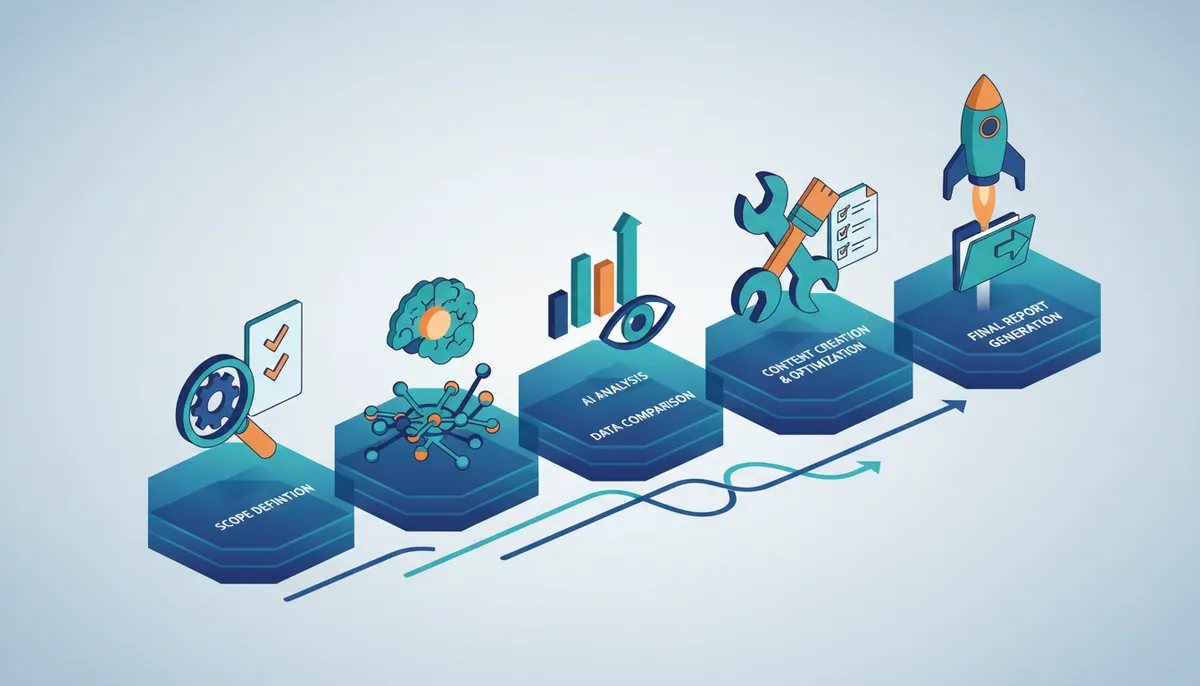
How content automation actually works in production — pipeline architecture, tooling choices, quality gates and measurement.
Teams save an average of 3 hours per piece by shifting to structured AI workflows. Discover the four functional areas required for scalable content production.
Generic prompts cause inconsistent drafts. Purpose-built agents using templatized briefs scale output from 3 to 30 articles weekly by enforcing structure.
Deploy 13 specialized AI agents to scale city pages without hallucinations. Learn the six-step workflow for accurate, geotargeted content generation.
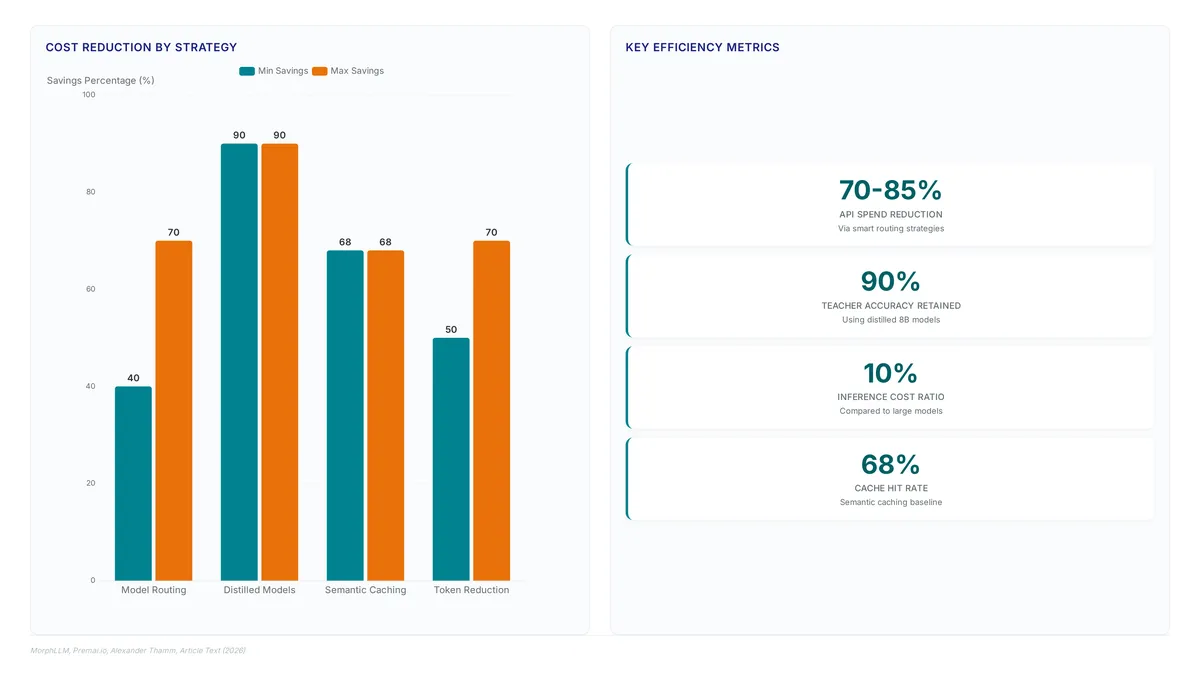
A support bot generated a $14,000 bill answering 30 questions. Learn how model routing and caching cut API spend by 70% without quality loss.
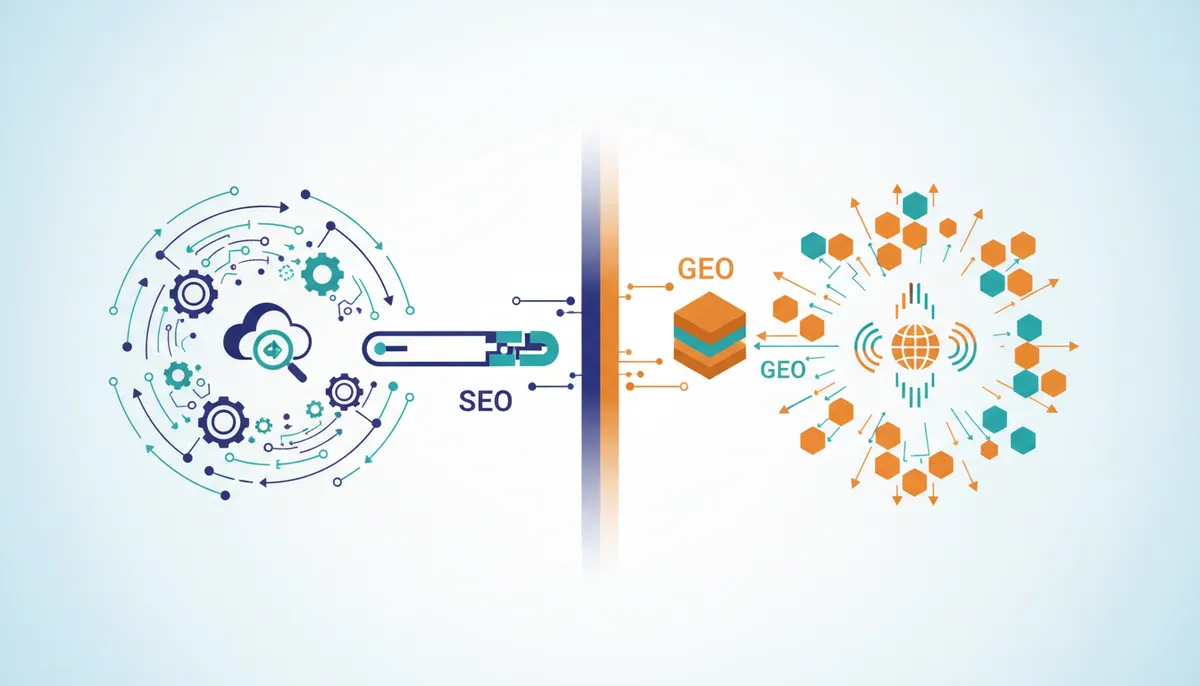
Deploying 13+ specialized AI agents per architecture is the baseline for modern dual-channel content discovery and citation tracking.
Spotting 3, 5 direct competitors is the mandatory first step to uncovering a content gap effectively.
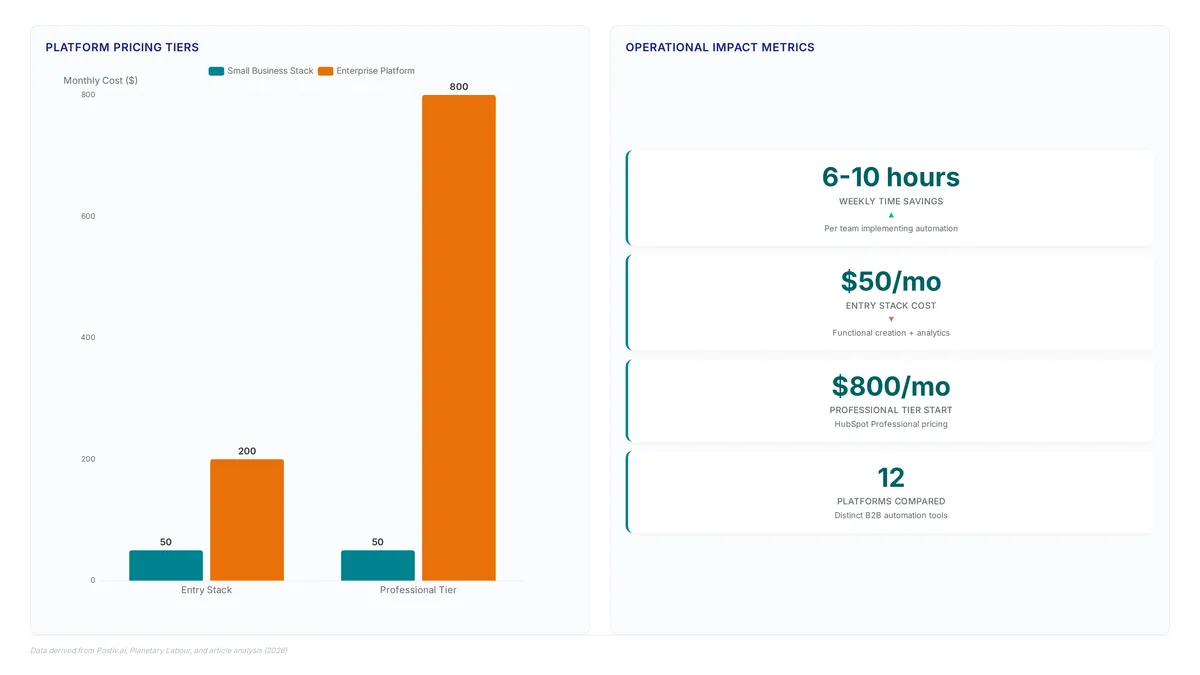
Teams reclaim 6-10 hours per week by automating repetitive content tasks according to Jan van Musscher.
Discover how 12 specific AI tools save marketers 10 to 15 hours weekly while keeping monthly stacks under €50 through strategic selection.
Single-prompt tools lack coordination. See how agent systems handle semantic gaps for 50,000+ businesses scaling SEO output reliably.
Manual SEO workflows fail against systems using 13+ specialized AI agents for discovery, creation, and optimization without diluting quality.
AI-referred sessions surged in early 2025. This seven-step framework audits visibility and maps prompts to answer blocks for synthesis.
Define one clear goal before your free AI trial to validate brand citations in model responses without expensive enterprise contracts.