Generative engine optimization: tracking AI citations
Over 50,000 businesses now track AI visibility. Learn how generative engine optimization shifts metrics from clicks to citation share across models.
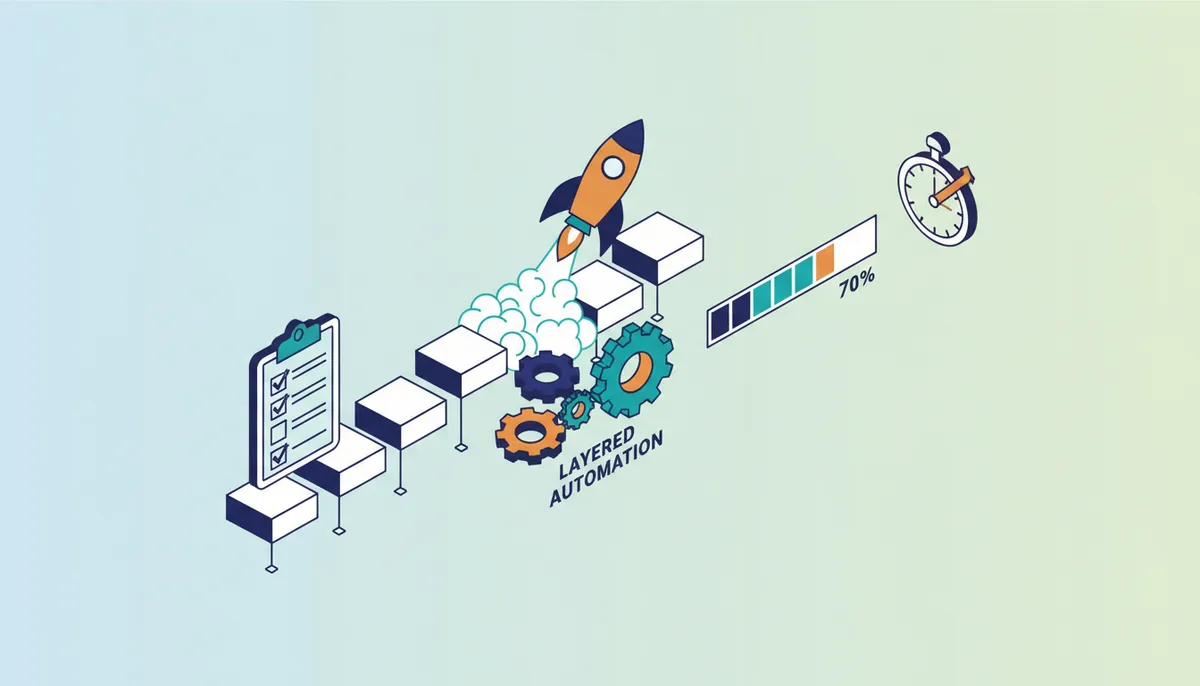
How content automation actually works in production — pipeline architecture, tooling choices, quality gates and measurement.
Over 50,000 businesses now track AI visibility. Learn how generative engine optimization shifts metrics from clicks to citation share across models.
Deploy 13+ specialized AI agents per workflow to replace mass generation. Track brand mentions across ChatGPT, Claude, and Perplexity effectively.
See how loveholidays scaled from 2,000 to 60,000 hotel descriptions by automating tagging instead of refining high-level strategy.
Shift from keyword ranks to mention frequency. Learn how content automation tracks brand presence in generative models like Perplexity.
Teams using content automation achieve a tenfold increase in production volume while enforcing GEO optimization standards at scale.
Automated publishing removes manual bottlenecks by integrating AI generation directly into editorial calendars for unified distribution.
Scale from three to thirty articles weekly by prioritizing semantic maps over raw speed. Learn why internal linking is the critical infrastructure for growth.
Analyze the nine distinct AI search visibility trackers defining the 2026 market standard for brand presence and RAG mechanics.
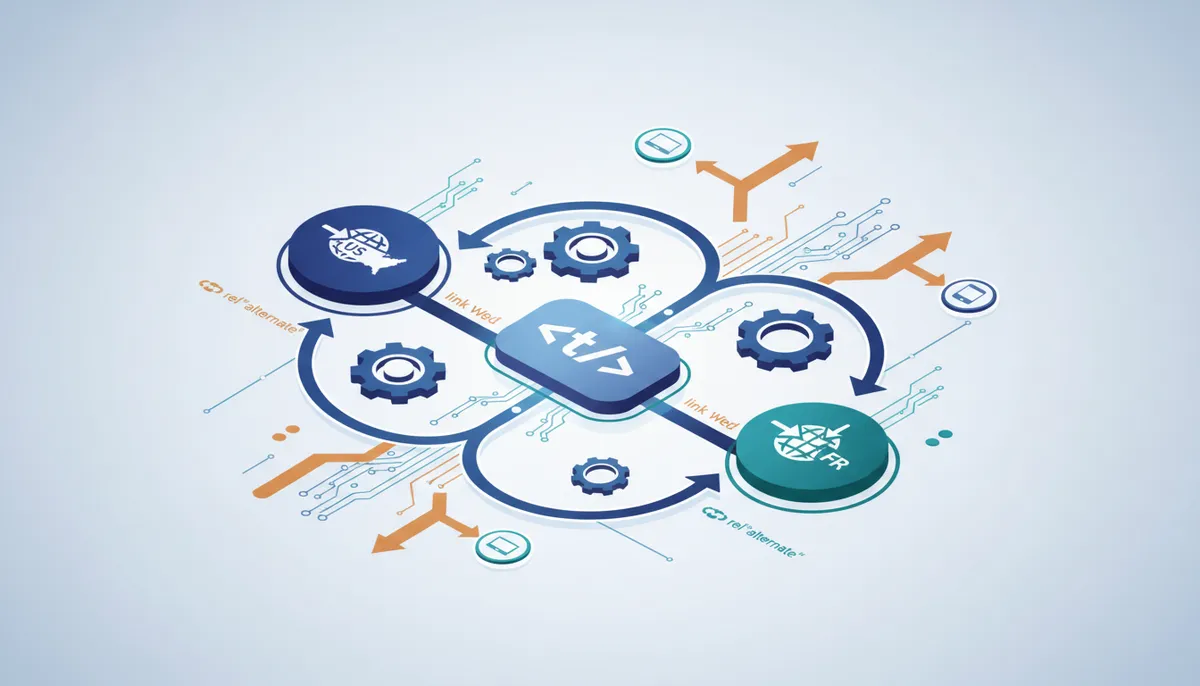
Direct translation breaks AI search. Learn why 2026 scaling requires LanguageFirst architecture and cultural transcreation over literal word-for-word...
Agencies deploy 13 distinct AI agents to replace generic generators with custom pipelines that enforce strict brand governance across distributed teams.
45% of B2B marketers lack a scalable model. This framework defines the execution layer, roles, and quality gates needed to ship consistently.
Indexing delays kill ranking windows. Learn why manual submission fails when scaling from 3 to 30 articles weekly and how API workflows fix it.