Content automation tools that save 610 hours weekly
Teams reclaim 6-10 hours per week by automating repetitive content tasks according to Jan van Musscher. Effective content marketing automation transforms sporadic output into a predictable revenue engine rather than just saving time. Companies with documented workflows report earning $3 for every $1 invested, yet only 36% of marketers can accurately tie their efforts to pipeline results.
This analysis cuts through the noise surrounding the 12 platforms B2B teams shortlisted in 2026 to identify which tools actually deliver. You will learn how specific categories like Content Creation & Ideation and Distribution & Scheduling address distinct bottlenecks in your current operations. We examine why solutions like the provider and Semrush dominate drafting while Hootsuite and Buffer handle the heavy lifting of multi-channel publishing.
Readers will discover actionable strategies for implementing scalable workflows that connect directly to business outcomes. The guide details why Postiv AI stands out for LinkedIn-first strategies and how HubSpot integrates CRM data for full-funnel attribution. By focusing on verified performance metrics instead of marketing hype, you can select a stack that eliminates burnout and drives consistent growth.
The Role of Automation in Modern Content Lifecycle Management
Defining Content Marketing Automation Across Four Lifecycle Stages
Content marketing automation executes repetitive tasks across four set lifecycle phases rather than managing contact databases. General platforms like HubSpot, ActiveCampaign, and Marketo orchestrate lead lifecycles, whereas specialized stacks target the content unit itself. The operational workflow divides into Ideation and Research, Creation and Drafting, Distribution and Scheduling, and Analytics and Optimization. Generative AI has shifted production from manual craft to an automated operational system. Teams deploying a modular stack comprising one creation tool and a free analytics layer report saving 6 hours weekly. This architecture separates drafting from measurement, avoiding the feature bloat common in monolithic suites.
| Lifecycle Stage | Primary Function |
|---|---|
| Ideation and Research | Analyzes keyword data and trending topics |
| Creation and Drafting | Generates brand-aligned drafts and visual assets |
| Distribution and Scheduling | Publishes across channels at optimized intervals |
| Analytics and Optimization | Consolidates performance metrics for iteration |
General marketing automation lacks native content generation and multi-asset scheduling depth. Operators must select tools based on workflow specificity rather than brand recognition alone. A tension exists between integrated convenience and best-of-breed capability; choosing an all-in-one platform often sacrifices advanced creation features found in dedicated solutions. Buyers should validate that any chosen stack explicitly supports the four core stages before procurement to prevent workflow fragmentation.
Applying AI Tools for Drafting Carousels and Scheduling LinkedIn Posts
Brand-trained AI writers generate carousel drafts and visual assets during the Creation and Drafting stage. This capability shifts production from manual design to rapid iteration, allowing teams to test multiple hooks before publishing. Marketing teams typically reclaim 10 hours per week by automating these repetitive creation tasks. Generic models may struggle to capture a distinct voice without training on specific subject matter expertise. Distribution requires moving beyond simple scheduling to orchestrating creation, planning, and review across channels. Tools like Zapier connect these distinct phases, ensuring a draft flows into a scheduled LinkedIn post without manual handoffs. A complete stack for this workflow typically costs between $50 and $200 per month for small businesses. The limitation involves balancing the speed of auto-publishing against the need for human oversight on sensitive B2B topics. Companies with documented automation workflows report an average return of $3 in revenue for every $1 invested. Success depends on selecting a creation tool that integrates directly with your scheduling layer to avoid data silos.
- Select a brand-trained writer for initial asset generation.
- Connect drafting and scheduling layers via an orchestration platform.
- Ensure approval workflows are in place for final publication.
- Validate integration points before purchasing separate tools.
Comparing Content Creation Tools Like the provider Versus Distribution Platforms Like Buffer
Creation tools like the provider generate draft text, whereas distribution platforms like Buffer manage publication timing across channels. This distinction separates the Ideation and Research phase from the actual Distribution and Scheduling execution required for B2B teams. Selection depends on whether the bottleneck is generating raw material or orchestrating multi-channel delivery.
| Feature | Creation Tools (e.g. The provider) | Distribution Platforms (e.g. Buffer) |
|---|---|---|
| Primary Function | Drafting copy and visual assets | Scheduling posts and managing queues |
| Input Source | Prompts and keyword data | Pre-written content batches |
| Output Target | Internal drafts for review | Live social media channels |
Meanwhile, creation tools solve the blank page problem yet lack native multi-channel queuing found in dedicated schedulers. Distribution platforms cannot compensate for a lack of strategic direction or poor Teams must identify their primary constraint before investing capital. Some organizations require improved ideation while others need stronger publishing mechanics. The cost is minimal compared to wasted labor hours.
Comparative Analysis of Leading B2B Automation Platforms
Defining B2B Automation: CRM Ecosystems vs SEO Toolkits
HubSpot Marketing Hub functions as a closed-loop system where automation sequences trigger based on contact behavior within the CRM. This architecture ties content creation directly to revenue attribution, allowing teams to map blog posts to closed deals. The limitation is structural; the platform prioritizes contact data over search semantics, making it less effective for pure top-of-funnel discovery. Operators pay for this integration depth, with Professional tiers starting at $800/month.
In contrast, Semrush Content Toolkit approaches automation from an SEO-first perspective, automating research and briefing before a single word is drafted. It generates SEO Content Templates that enforce word count and keyword density constraints based on live competitor data.
Generative AI has fundamentally transformed content production, shifting the market focus from manual creation to workflow optimization and scaling. A complete working stack typically consists of one creation tool combined with a free analytics layer. Teams must choose based on whether their bottleneck is lead conversion or organic discovery.
Deploying Postiv AI for LinkedIn-First B2B Strategies
Postiv AI functions as a specialized engine for B2B professionals where LinkedIn serves as the primary distribution channel. The system relies on a brand-trained AI writer nicknamed 'Bob' that ingests past articles, PDFs, and YouTube links to replicate distinct voice patterns. This approach addresses the specific need for on-brand carousels without manual design labor. Teams implementing this stack typically save between 6 to 10 hours weekly by automating draft generation and scheduling tasks.
However, the platform sacrifices cross-channel breadth for depth, lacking native support for X or Instagram compared to generalist tools. This limitation forces operators to maintain a secondary scheduler if their strategy expands beyond LinkedIn dominance.
| Feature | Postiv AI | Generalist Tools |
|---|---|---|
| Primary Focus | LinkedIn B2B | Multi-platform |
| Voice Training | Custom ingestion | Generic templates |
| Carousel Gen | One-click PDF | Manual upload |
| CRM Depth | Light integration | Deep system |
Brands asking should I use an all-in-one tool must weigh CRM integration against the superior content automation quality found in niche providers. For teams prioritizing LinkedIn authority over broad reach, this focused architecture delivers higher engagement per post. This configuration is recommended for founders and agencies targeting specific B2B verticals rather than mass-market awareness.
Sprout Social vs Hootsuite: Unified Inbox Depth and Bulk Scheduling Limits
Hootsuite includes a Bulk Composer capable of scheduling up to 350 posts at once via CSV upload, whereas Sprout Social prioritizes deep engagement logic over raw volume throughput. This architectural divergence defines the operational ceiling for agencies managing high-frequency brand accounts versus those requiring detailed community triage. Sprout Social functions as a premium platform combining publishing, listening, and engagement with a Smart Inbox that consolidates messages from all profiles into a single stream. The trade-off is structural; Hootsuite favors broad distribution mechanics while Sprout optimizes for response latency and thread continuity.
| Feature | Hootsuite | Sprout Social |
|---|---|---|
| Bulk Limit | 350 posts (CSV) | Qualitative limit |
| Primary Focus | Distribution volume | Inbox depth |
| Agency Fit | High-frequency brands | Enterprise response |
| Pricing Tier | Variable | $249+/month |
Operators managing ten or more distinct brands often select Sprout Social for its unified inbox capabilities, despite the $249+/month entry price point which exceeds basic scheduling budgets. While Hootsuite users gain throughput, they often lack the conversational context required for complex B2B dialogue. High-volume scheduling without integrated listening creates blind spots in crisis management. Teams must choose between shipment velocity and conversational intelligence based on their specific risk profile. For organizations needing to orchestrate creation, planning, and review across these channels, bridging the gap often requires an external orchestrator to unify the workflow. The optimal stack depends entirely on whether the bottleneck is content production or audience response time.
Implementing Scalable Workflows for Multi-Channel Distribution
Defining Scalable Workflows with Role-Based Permissions and Approval Chains

Mapping content intake to validation stages prevents errors before a single post reaches a network.
- Permission Mapping: Assign specific capabilities to distinct user roles to control access levels. 3.
Postiv AI supports multi-profile scheduling alongside these approval workflows for LinkedIn-heavy teams. StoryChief includes editorial collaboration features that centralize the content calendar across multiple channels. Orchestration platforms like Zapier connect creation tools to scheduling systems, acting as an orchestrator for tasks across different channels. These platforms function differently from single-point creation tools or purpose-built workflow governance systems. Teams must choose between flexible orchestration and integrated workflow features based on their specific operational needs.
Deploying Bulk CSV Uploads and One-Click Carousel Designers for Scale
Operators upload a structured file containing headers, body copy, and image URLs to populate the calendar instantly. Hootsuite supports this via a Bulk Composer capable of scheduling up to 350 posts at once. This approach fixes fragmented schedules, though teams implementing the right content marketing automation platform save between 6 to 10 hours per week regardless of the specific batching method used. Visual scaling requires different tooling than text batching. Postiv AI includes a one-click carousel designer that converts PDFs or images into native LinkedIn slides without manual resizing. This feature addresses the specific friction of designing multi-slide assets for every campaign. Bulk uploads handle frequency while carousel designers handle format fidelity.
- Prepare a CSV with columns for date, content, and media links.
- Upload the file to the Bulk Composer to generate the queue.
- Use the carousel designer for high-value posts requiring slide decks. 4.
Separating high-volume text updates from strategic visual campaigns helps maintain pipeline quality. Native visual formats like carousels address specific engagement needs on platforms like LinkedIn, complementing text-based distribution strategies. This range demands strict vendor selection to avoid feature bloat while maintaining necessary distribution capabilities. Teams can validate that their chosen tools fit within standard budget constraints by focusing on a complete working stack that typically consists of one creation tool combined with a free analytics layer.
- Define Channel Priority: If LinkedIn is the sole focus, a specialized tool like the Postiv AI Pro Plan at €99/month offers brand-trained writing and carousel design. 2.3.
The pricing model for these tools allows teams to standardize processes without requiring heavy engineering investment. Focusing on cost efficiency helps operators achieve consistent output and do more with the same budget. Starting with a single-channel specialist before expanding to multi-platform distributors is a viable strategy for many buyers.
Measuring ROI and Optimizing Content Performance Analytics
How Revenue Attribution Links Content to Closed Deals in CRM Ecosystems
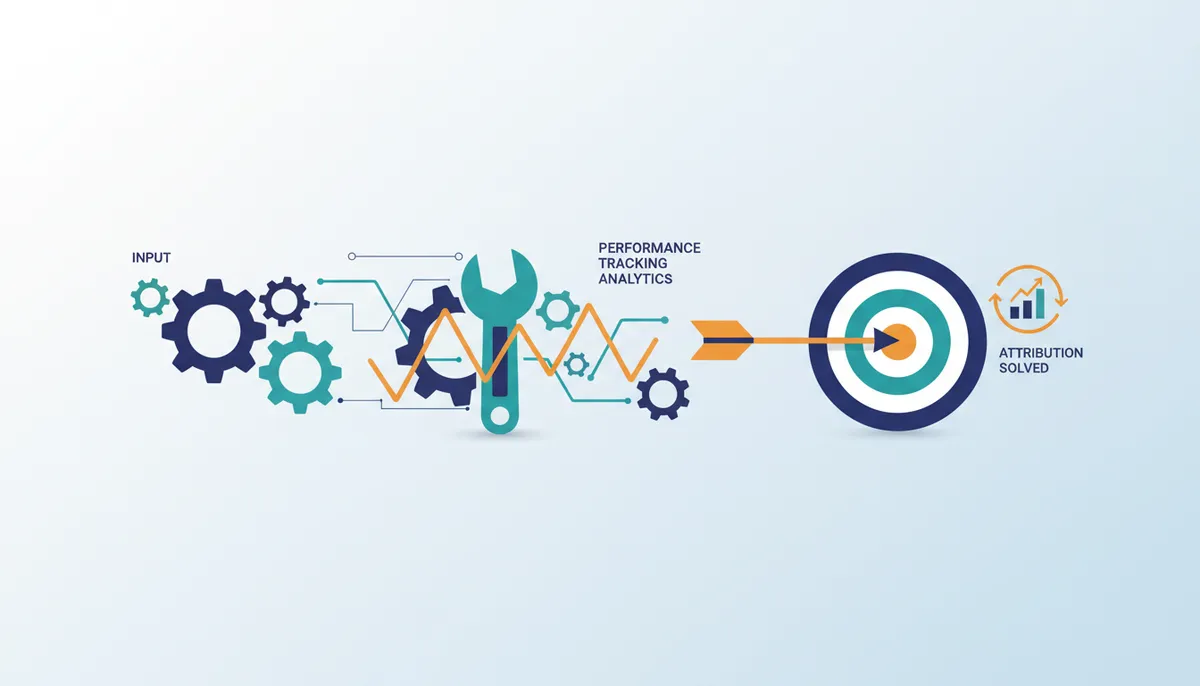
Mapping individual content interactions directly to closed deals within integrated CRM databases defines revenue attribution. Marketing platforms execute this linkage, connecting specific asset engagement to final sales outcomes without requiring manual data entry. This mechanism replaces guesswork with a verified trail showing which articles or emails influenced a prospect before they signed. Only a minority of marketers currently feel capable of tying content efforts to pipeline and revenue accurately, highlighting a significant gap in operational visibility. This analysis draws upon a comparison of exactly 12 distinct content marketing automation platforms the for B2B teams in 2026. Fragmented analytics layers emerge as the primary limitation when creation tools operate outside the CRM system. A complete working stack typically combines one creation tool with a free analytics layer, yet this separation can complicate the attribution chain required for precise ROI calculation. Revenue signals may get lost between the content scheduler and the sales database without deep integration.
Teams ignoring this integration risk optimizing for vanity metrics rather than actual income generation. Budget allocation strategies often favor high-volume, low-value content over assets that drive conversions as a consequence. Prioritizing platforms where the content engine and CRM share a single data model helps eliminate reconciliation errors. Every dollar spent on content creation can be traced back to a specific revenue event through this architectural choice.
Applying Analytics Layers to Solve Poor Content Performance Tracking
A dedicated free analytics layer resolves tracking gaps by decoupling measurement from creation constraints. Most operators construct a working stack using one specialized creation tool paired with this separate monitoring component to avoid vendor lock-in. Small businesses adopting this modular architecture report saving time weekly by eliminating manual data aggregation across disparate dashboards. The mechanism relies on API-driven ingestion where the analytics module pulls engagement metrics while the creation tool focuses on output velocity.
Gaps in the attribution chain appear when native integrations fail to map unique campaign parameters. The attribution model can struggle to provide clear strategic insights without smooth data flow. Configuring strict governance policies before deploying any new automation sequence is necessary. Visibility requires active architectural maintenance, not tool installation. Operators gain immediate clarity on channel performance but inherit the responsibility of maintaining the connector logic between systems. This specific band typically funds one primary creation tool alongside a separate, free analytics layer. Teams standardize processes without requiring heavy engineering investment at this price point. Decoupling drafting from measurement prevents vendor lock-in while maintaining clear ROI visibility. Purchasing all-in-one suites that include unused workflow modules inflates costs without improving content quality, representing a common failure mode. Small entities using this split-stack approach report reclaiming time weekly by eliminating manual data aggregation. Auditing current subscriptions ensures no single tool duplicates the function of another in your pipeline.
About
Daniel Reyes serves as Head of Content Engineering, where he architects production-grade AI content pipelines from ingestion to publication. His decade of experience in data engineering and RAG systems uniquely positions him to evaluate content marketing automation beyond surface-level features. Unlike generalist marketers, Reyes daily navigates the complex trade-offs between latency, cost, and output quality that define successful automation strategies. At Enterium, a B2B publication dedicated to vendor-neutral methodology, he applies rigorous engineering standards to assess how tools like the provider, Semrush, and Postiv AI integrate into scalable workflows. This article reflects his hands-on work building evaluation harnesses and quality gates that ensure automated content remains reliable. By connecting specific platform capabilities to real-world pipeline architecture, Reyes provides the technical clarity marketing-ops leaders and content engineers need to implement systems that deliver measurable ROI without compromising editorial integrity.
Conclusion
Scaling content operations breaks when measurement lags behind production velocity, turning high-volume output into untracked noise. The operational cost here is not merely financial but cognitive, as teams waste cycles reconciling disparate data silos rather than optimizing strategy. You must adopt a modular architecture that separates creation from analytics immediately to preserve data integrity. Do not wait for a fiscal review to address these inefficiencies; start by auditing your current stack this week to identify overlapping features between your drafting and reporting tools. Replace all-in-one suites with a specialized creator paired with a dedicated monitoring component if your current setup forces manual aggregation. This specific configuration typically costs between $50 and $200 monthly yet prevents the strategic blindness that plagues scaled operations. Teams implementing this split approach report reclaiming significant weekly hours previously lost to data entry. The path forward requires disciplined tool selection rather than blanket adoption of new AI features. Focus your budget on maintaining the connector logic between systems, as this governance ensures your attribution chain remains unbroken. Your immediate action is to map every data flow in your current pipeline and eliminate any tool that duplicates an existing function.
Frequently Asked Questions
Small businesses typically spend between $50 and $200 monthly for a functional stack. This modular approach combines one creation tool with a free analytics layer to avoid expensive feature bloat while maintaining operational efficiency.
Teams reclaim between 6 to 10 hours weekly by automating repetitive creation tasks. This significant time recovery allows marketers to shift focus from manual drafting to high-level strategy and audience relationship building.
Companies report earning $3 in revenue for every $1 invested in documented workflows. However, success requires selecting tools that integrate drafting and scheduling layers to prevent data silos and ensure accurate attribution.
Enterprise solutions for agencies managing ten or more brands start at $249 per month. This higher tier provides the deep analytics and unified inbox capabilities necessary for coordinating complex multi-brand operations effectively.
The analysis evaluates exactly 12 distinct platforms shortlisted by B2B teams in 2026. This focused comparison helps buyers identify specific tools for creation, distribution, and analytics rather than relying on generic feature lists.
References