AI content operations plan: stop reactive toolhopping
Stop chasing every AI update. Start building a structured AI content operations plan.
The industry demands a shift from reactive tool-hopping to strategically organizing workflows as a writing ecology. Lance Cummings argues that without this framework, teams face paralysis similar to scrolling endlessly through Netflix or wandering a massive grocery store without a list. Instead of letting content generation grow willy-nilly, organizations must define the networked relationships between their people, processes, and technologies to ensure purposeful output. Research indicates that while AI-powered approaches can slash production time from hours to minutes, publishing volume continues to rise as timelines shrink, making structured automation necessary rather than optional.
This article details how to construct that necessary infrastructure. You will learn why modern content strategy requires a set writing ecology to manage the complex interactions among ideas, prompts, and generated assets. Finally, the discussion covers how structured workflows deliver measurable ROI by turning chaotic experimentation into a repeatable operational model. The goal is not to know every new model release but to master the environment where your content actually gets created.
The Role of Writing Ecology in Modern Content Strategy
Defining Writing Ecology as Networked Relationships
Think of a writing ecology as a living system where ideas, prompts, and generated content interact dynamically. This isn't about buying a new tool; it's about mapping the networked relationships between people, processes, and technologies. Traditional writing often ignores these environmental factors, leading to inconsistent outputs the moment AI variables shift. Content operations bring together people, processes, tech, and standards to make creation repeatable rather than accidental. Without this structure, teams drown in information overload despite having access to powerful models. Unmanaged ecosystems grow willy-nilly. A set plan shapes the yard for a specific purpose.
Using an AI Content Functions Plan as a Roadmap
An AI content activities plan acts as a strategic roadmap to prevent information overload and guide workflow execution. Keeping track of every AI update leads to inaction, forcing a shift from reactive monitoring to organized implementation. This approach treats writing as a complex system where networked relationships between people, processes, and technologies drive consistency. Recent industry reports indicate that enterprise-scale companies are actively deploying AI, signaling a move from pilot phases to standard practice. Organizations should adopt principles that define clear relational contexts for generative tools to achieve similar scalability. The abundance of model choices creates paralysis similar to scrolling mindlessly through streaming catalogs without a set plan. Establishing specific governance gates before scaling content generation helps avoid the trap of unlimited options. The cost is rigid initial framing. The benefit transforms every piece of content into a reusable asset when structure and shared workflows are connected. Documenting current workflow gaps identifies where human oversight remains non-negotiable.
Planned AI Workflows vs Unplanned AI Use
Planned AI content workflows replace accidental output with a governed system where structure converts every draft into a reusable asset. Letting a yard grow willy-nilly mirrors unplanned AI experimentation. Defining a specific purpose allows teams to shape their writing ecology intentionally. The industry sees publishing volume rising while timelines shrink. This trend forces a choice between chaotic ad-hoc usage and engineered workflows. Connecting structure and shared workflows turns content into compounding value rather than isolated experiments. Operators face paralysis without this discipline similar to scrolling Netflix without a plan. They drown in options but produce little. Designing these governed environments ensures AI adoption drives measurable business outcomes rather than noise. Teams must stop treating AI as a toy. Infrastructure requiring strict architectural controls demands a different mindset.
How Networked Relationships Drive AI Writing Systems
Writing Ecology as a Complex System of Interactions
A writing ecology functions as a complex system where ideas, prompts, and generated content interact dynamically rather than existing as isolated tasks. This networked relationship transforms content creation from a craft-based discipline into a data-driven system capable of compounding improvements over time. Unlike static workflows, this approach relies on an analytical layer that performs pattern recognition and scenario modeling at scales that would otherwise overwhelm human teams. The mechanism requires connecting structure, shared workflows, and governed AI inputs into one unified operating model. Optimizely notes that this integration allows organizations to treat every piece of content as a reusable asset within a larger connected system. Without such a roadmap, teams risk inconsistent output and duplicated effort across the enterprise.
Tools alone do not create an ecology. Only the intentional design of relationships between people and processes achieves this state.
Mechanics: Applying the AI Content Tasks Plan as a Strategic Roadmap
An AI content functions plan functions as a tactical grocery list, filtering signal from noise to prevent workflow paralysis. Without this collective roadmap, teams risk inconsistent output, duplicated effort, and significant missed opportunities across the enterprise. The mechanism relies on defining networked relationships between people, processes, and technologies before deploying generative models. This structure transforms writing from a chaotic ecology into a data-driven system where every prompt serves a documented business function.
The industry shift toward flexible personalization requires moving away from static cycles to real-time performance analysis. Implementing such rigorous governance often requires balancing strict prompt engineering protocols with the flexibility needed for creative iteration. Data indicates 42% of enterprises have deployed AI, yet many lack the strategic roadmap required to scale beyond pilot programs. Our platform enforces reusable assets and shared workflows without requiring operators to leave their existing CMS environments.
Prompt Operations Plans Versus Disposable AI Tools
Many current AI tools are just prompts in disguise, masking simple templates as complex software solutions. This redundancy creates AI overwhelm where teams purchase standalone applications that replicate functionality already available through a structured prompt operations plan. The strategic alternative involves treating prompts as reusable assets within a set writing ecology rather than chasing discrete product updates.
Management of a prompt operations plan represents the most accessible method to shape Generative AI technologies for specific enterprise needs. The industry is shifting from a craft-based discipline to a data-driven system where analytical layers handle pattern recognition. Organizations risk inconsistent content and duplicated work across departments without this collective roadmap. A tension exists between the immediate convenience of single-purpose tools and the long-term compounding value of governed inputs. Teams that fail to connect structure and shared workflows miss the opportunity to turn every piece of content into a reusable asset. Disposable tools rely on proprietary interfaces, whereas text-based plans remain portable. Operators must define networked relationships between people and processes before selecting technology. This approach prevents the fragmentation that occurs when every team member relies on a different, unconnected application.
Measurable ROI from Structured AI Content Workflows
Defining the Analytical Layer in AI Content Activities
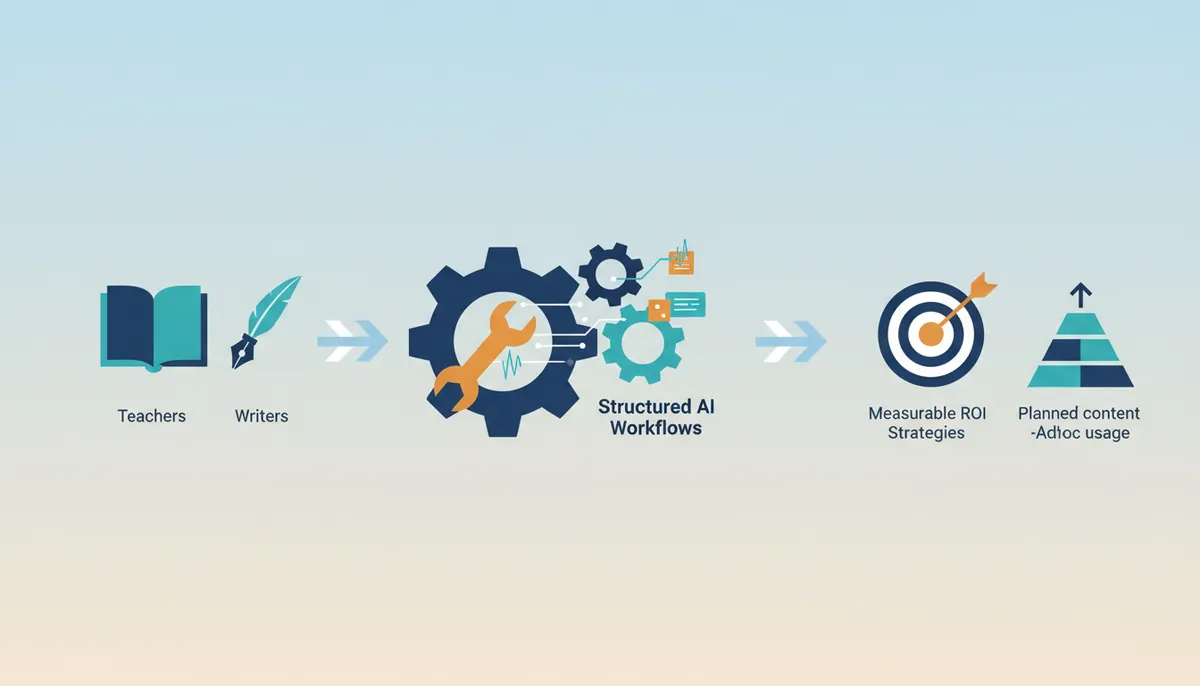
The analytical layer sits atop generation engines to execute pattern recognition and scenario modeling that isolated prompts cannot achieve. This architecture distinguishes structured operations from simple text generation by connecting governed inputs into one unified system. Industry shifts characterize this transition as a move from a "craft-based discipline" to a data-driven system, where decisions rely on aggregated content data rather than individual intuition. Without this layer, teams face bottlenecks when scaling, as manual review cannot match the velocity of automated creation.
| Feature | Simple Generation | Analytical Layer |
|---|---|---|
| Primary Function | Text synthesis | Pattern recognition |
| Input Source | Single prompt | Governed content data |
| Outcome | Isolated draft | Scenario modeling |
Optimizely changes the enterprise content operating model by ensuring structure and shared workflows compound improvements over time. The limitation is clear: deploying this layer requires structured data governance that many organizations lack. If inputs remain chaotic, the analytical layer produces high-volume noise instead of strategic direction. Effective solutions enforce the necessary data hygiene to activate this architecture. Organizations must connect structure and shared workflows to turn every piece of content into a reusable asset.
Real-World Workflows: From History Teachers to Technical Writers
Mr. Lee locates historical media and drafts presentation scripts, then applies human humor to refine the output for middle school students. Sarah analyzes existing user guides to extract structural patterns before generating draft sections that align with her company style guide. These scenarios illustrate steps for integrating AI into writing where the tool handles retrieval and structure, leaving domain expertise to the operator. Without this division of labor, teams risk publishing generic content that lacks specific institutional knowledge.
The guide to using AI in content workflow requires embedding these actions directly into the content management system to reduce context switching. Contentful's implementation of AI Actions demonstrates how tasks like document outlining and image tagging proceed with minimal user effort inside the interface. This approach transforms isolated generation events into a connected system where structure and shared workflows compound improvements over time. Organizations adopting this model turn every piece of content into a reusable asset rather than a static file.
| Role | AI Function | Human Intervention |
|---|---|---|
| History Teacher | Media retrieval, script drafting | Adding humor, verifying facts |
| Technical Writer | Structure analysis, draft generation | Style alignment, accuracy review |
A critical tension exists between speed and governance; accelerating draft creation without a set writing ecology often increases editorial debt later. Operators must define clear purposes before deploying tools to avoid the "grocery store" effect of overwhelming choice. Effective solutions enable this transition by enforcing the structured inputs required for repeatable success. The immediate next step is documenting one existing manual process to test for automation potential within your current.
Validating Your Workflow Against Data-Driven System Standards
Validate your workflow by confirming that improvements compound over time rather than remaining isolated events. Teams transitioning from a craft-based discipline to a data-driven system must verify that every piece of content becomes a reusable asset. Without this structural shift, organizations risk generating high volumes of disposable text that fails to accumulate value.
| Validation Metric | Ad-Hoc Workflow | Data-Driven System |
|---|---|---|
| Improvement Curve | Linear, manual effort | Compounding returns |
| Content Value | Single-use output | Reusable asset |
| Workflow State | Isolated tasks | Repeatable engine |
Operators should audit their current processes to ensure shared workflows connect governed AI inputs into one connected system. Success depends on whether structure and shared workflows are connected to compound improvements over time. This connection prevents the transition where improvements fail to accumulate across the organization.
Many teams mistakenly equate tool adoption with system maturity, overlooking the need for governed inputs. True validation requires evidence that structure turns content into a strategic reserve. Effective frameworks help implement these data-driven standards. Teams must move beyond simple generation to establish a repeatable engine for content production.
Migrating to a Repeatable AI Content Workflows Plan
Prompt Operations Plans as the Foundation of AI Content Systems
A prompt operations plan defines the specific networked relationships between people, processes, and technologies required for repeatable AI content generation. Teams lacking this structured roadmap frequently encounter inconsistent output and duplicated labor. Many current tools marketed as standalone solutions are simply prompts in disguise, making the management of a prompt functions plan the most accessible entry point for shaping generative AI systems. Moving from a craft-based discipline to a data-driven system requires an analytical layer to handle pattern recognition that overwhelms manual teams.
- Define the ecological boundaries of your writing environment to isolate the variables.
- Map the specific interactions between ideas, prompts, and generated content.
- Embed these governed inputs directly into existing workflows rather than isolated experiments.
The industry shift toward flexible personalization relies on this architectural change. Platforms like Contentful and Monday.com reduce production time by embedding generative tasks, yet they cannot compensate for a lack of strategic purpose. A clear limitation remains: organizations without a set purpose purchase unnecessary tools that fail to integrate with their specific ecology. Establishing this baseline before scaling operations helps avoid technical debt. Skipping this foundation creates a fragmented workflow where improvements do not compound. Operators must treat prompts as governed assets rather than disposable queries. This approach transforms every piece of content into a reusable engine.
Building Shared Workflows to Convert Content into Reusable Assets
Structure connects shared workflows to change isolated generation tasks into a thorough operating model. Teams ignoring this connection face inconsistent content and duplicated work. The transition of AI-led content operations from pilot programs to standard practice is a current industry trend. Refining workflows based on data before expanding ensures that processes are optimized for scale. Documenting optimized processes within your content marketing platform helps guarantee repeatable success.
Organizations pulling structure, shared workflows, and governed AI inputs into one connected system compound improvements over time. This method turns every piece of content into a reusable asset rather than a disposable draft. The resulting system functions as a repeatable engine for production. Most current "AI tools" are merely prompts in disguise, so managing a prompt activities plan remains the most accessible entry point. Unstructured creation prevents the analytical layer from performing necessary pattern recognition.
Implement the following configuration to standardize your brief generation:
- Define core prompt variables within the central repository.
- Map approval gates to specific workflow stages.
- Link output schemas to downstream publishing channels.
- Audit prompt versions monthly for performance drift.
- Restrict direct model access to governed interface points.
Embedding these governed inputs directly into your existing work operating systems ensures that keyword optimization and document outlining occur without leaving the interface. Some platforms, such as Contentful, offer features to automate these tasks with minimal user effort, though integration depth varies by system. Content becomes a strategic resource only when the workflow itself is the product.
Avoiding Duplicated Work and Missed Opportunities Without a Collective Roadmap
Ad-hoc AI adoption fractures team output into inconsistent fragments and redundant tool subscriptions. Organizations without a set collective roadmap frequently purchase overlapping software licenses that merely replicate prompt logic. This financial leakage occurs because many standalone "AI tools" are functionally identical to unmanaged prompts. The absence of shared workflows prevents content from becoming a reusable asset, forcing writers to regenerate identical briefs for every campaign cycle.
- Audit current tool usage to identify functional redundancies in prompt engineering.
- Centralize prompt libraries within existing CMS interfaces to reduce context switching.
- Mandate keyword optimization and A/B testing protocols before any content publication.
| Risk Factor | Ad-Hoc Approach | Structured Operations |
|---|---|---|
| Tool Spend | Redundant subscriptions | Consolidated stack |
| Output Quality | Inconsistent voice | Standardized tone |
| Asset Value | Disposable drafts | Reusable modules |
Immediate generation speed conflicts with long-term system scalability. Teams prioritizing raw velocity often bypass integration points, creating data silos that block future analytical layers. The organization loses the ability to perform pattern recognition across its entire content corpus. Individual writers may produce quicker, yet the enterprise fails to compound improvements over time. Embedding generative capabilities directly into work operating systems helps enforce this structure. Every piece of content remains an isolated event rather than a strategic data point when systems stay disconnected. The operational cost includes wasted money and the permanent loss of institutional knowledge regarding what actually drives performance. This approach saves money by preventing the purchase of unnecessary tools.
About
Daniel Reyes, Head of Content Engineering at Enterium, architects the exact AI content tasks plans this article details. With over a decade in data and ML platform engineering, Daniel specializes in building production-grade pipelines that move beyond theoretical prompts to reliable, scaled generation. His daily work involves designing RAG systems, configuring vector stores, and establishing rigorous quality gates, directly addressing the "information overload" and lack of strategic organization discussed in this piece. At Enterium, a B2B publication dedicated to vendor-neutral content automation methodologies, Daniel translates complex orchestration challenges into reproducible workflows for technical marketers. Unlike generic advice that suggests endless tool experimentation, his approach focuses on the core Enterium methodology: research, generate, QA, and publish with humans on the gates. This article reflects his practical experience running systems where consistency and measurement trump novelty, offering a clear path for teams ready to operationalize AI without the hype.
Conclusion
Scaling AI content functions reveals that raw velocity creates a ceiling where disconnected outputs prevent pattern recognition across the enterprise. The true operational cost is not merely redundant software spend but the permanent erosion of institutional knowledge regarding performance drivers. Without a unified framework, organizations remain stuck in a cycle of disposable drafts rather than building compounding strategic assets. Enterprises must transition from experimental pilots to integrated practice immediately to stop this leakage of value and capability.
Leaders should mandate a centralized prompt library within their existing content management interfaces before the next fiscal planning cycle begins. This specific move forces standardization of tone and eliminates the context switching that drains productivity. Do not wait for a perfect system; start by auditing current tool usage this week to identify where multiple subscriptions perform identical prompt functions. Consolidating these redundancies frees up budget for genuine innovation rather than overlapping utilities. The path forward requires treating content as reusable modules instead of isolated events. By enforcing these structural constraints now, teams ensure that every generated piece contributes to a larger, analyzable data corpus. Operational discipline is the only mechanism that transforms artificial intelligence from a fleeting productivity boost into a sustainable competitive advantage.
Frequently Asked Questions
Without a plan, teams face paralysis and information overload similar to endless scrolling. Research shows [a portion] of organizations struggle to scale quality without defined networked relationships between people and processes.
Structured workflows transform every draft into a reusable asset by connecting shared processes. This approach ensures [a portion] of content efforts contribute to compounding value rather than remaining isolated and accidental outputs.
Chasing every update causes inaction because the volume of choices overwhelms decision makers. A strategic roadmap allows teams to ignore irrelevant noise while focusing on the [a portion] of developments that actually impact their specific goals.
Planned operations replace accidental output with governed systems that enforce brand standards consistently. Unmanaged ecosystems grow willy-nilly, leading to prompt variability that introduces unmeasurable noise into [a portion] of the final content stream.
Defining networked relationships creates a filter that directs focus toward pertinent developments only. This structure prevents the paralysis seen when teams lack a grocery list approach to managing complex AI tool choices.
References